
Best Night Driving Glasses: How to Reduce Glare and See Clearly After Dark
Best Night Driving Glasses
9 min Read • Updated on 15 January 2025
Driving at night isn’t just about staying alert — it’s about seeing clearly through darkness, glare, and reflections. That’s where night driving glasses come in. These specialized eyeglasses are designed to improve visibility, reduce glare from oncoming headlights, and provide comfort during nighttime driving.
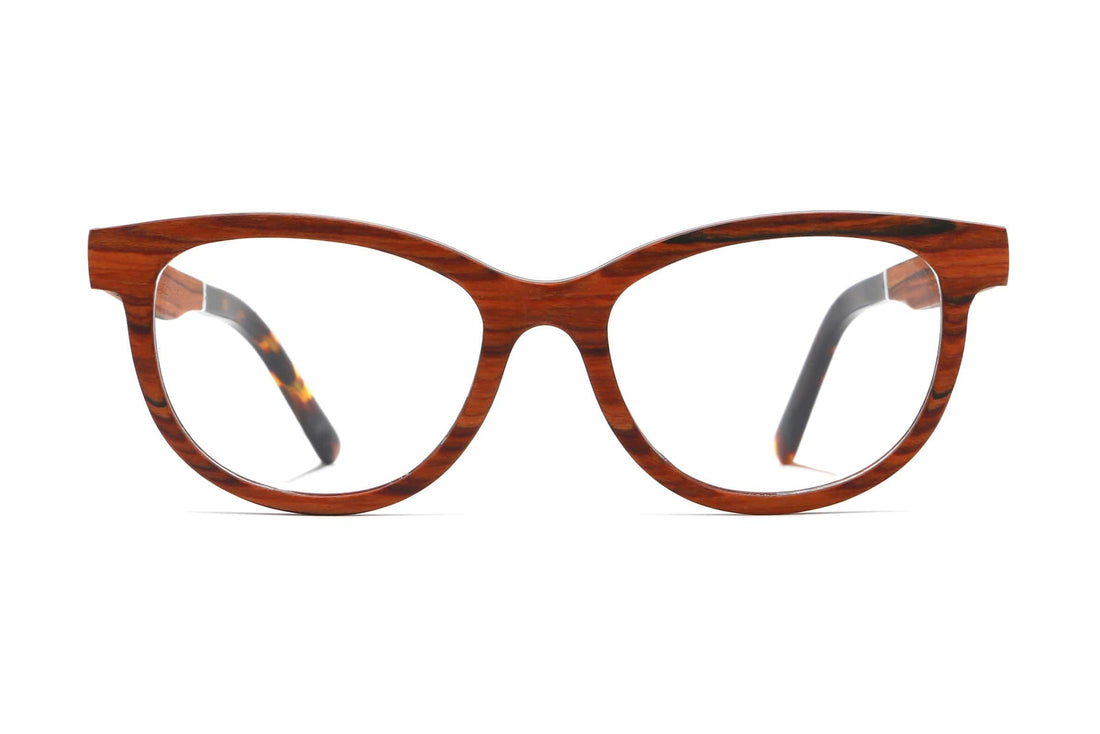
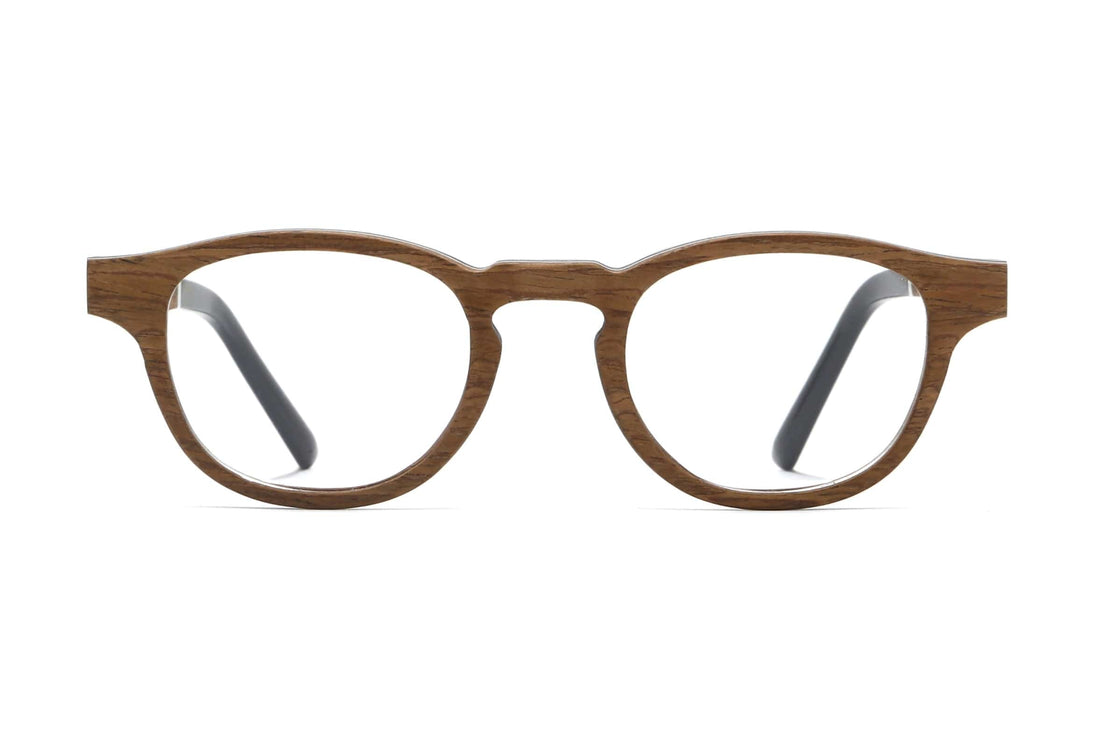
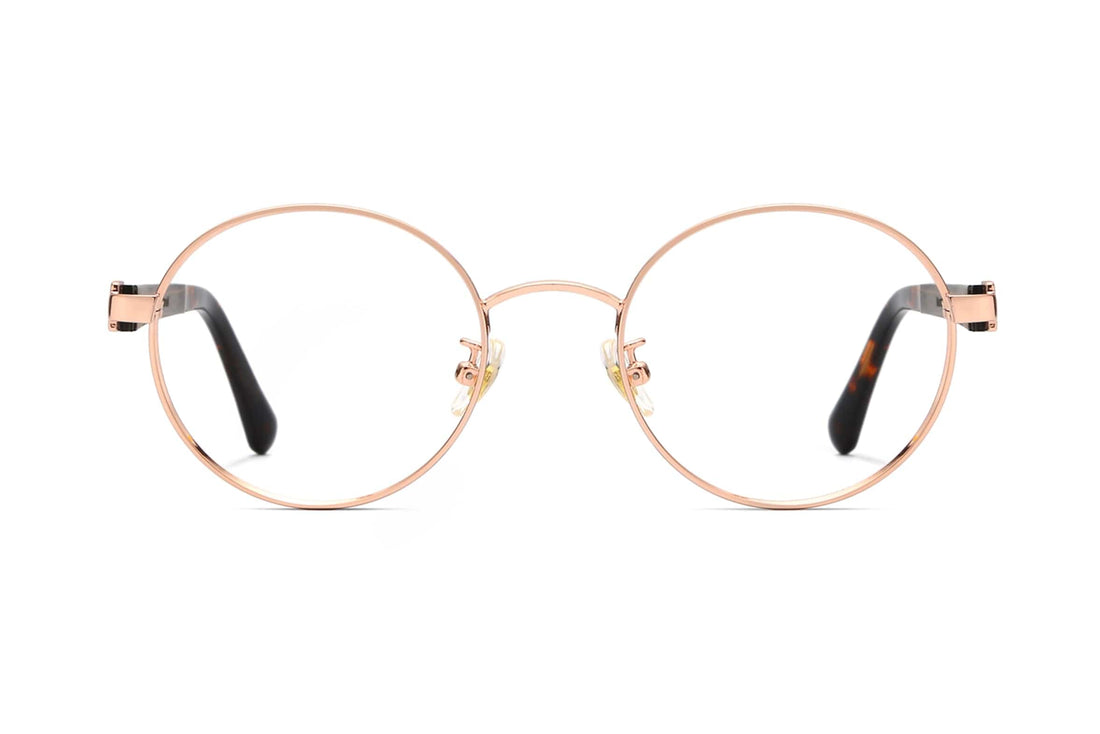
In this guide, we’ll explore the best night driving glasses to enhance your vision while keeping your look sharp. You’ll learn what makes these glasses effective, how to choose the right pair for your needs, and which Kraywoods frames combine style with function.
Here’s what we’ll cover:
-
What night driving glasses are and who should wear them
-
The link between night blindness and driving safety
-
Tips to improve night vision naturally
-
Key things to consider when buying night driving glasses
-
Our top eyewear picks categorized by frame shape and use
-
FAQs and final thoughts to wrap it all up
Before shopping for vision-enhancing glasses, get to know more about the different lens and coating types and their benefits in our lens guide to choose what suits your vision needs best.
Whether you’re navigating city lights or rural roads, this article will help you choose eyewear that makes every nighttime drive safer and more comfortable.
What Are Night Driving Glasses and Who Should Wear Them?
Night driving glasses are specially designed eyewear equipped with anti-reflective and blue light filtering lenses. Their purpose is to reduce glare from headlights, traffic lights, and illuminated signs — all of which can be intensified in low-light driving conditions. These lenses also improve contrast in low-light conditions and enhance clarity and depth perception, making them especially useful when visibility is compromised.
While they might look similar to regular eyeglasses or blue light glasses, night driving glasses are optimized for driving-specific challenges. Most feature anti-reflective (AR) coating and clear or lightly tinted lenses that cut down halo effects and light scatter without distorting your view. Learn more about the benefits of anti-reflective coating.
In addition to clear lenses with anti-reflective coating, some drivers benefit from lightly tinted yellow lenses designed to enhance contrast and reduce glare in low-light conditions. Yellow therapeutic tints can help filter harsh headlight glare and improve visual clarity, making them especially helpful for night driving, foggy conditions, and drivers who experience light sensitivity or photophobia.
So, who benefits most from wearing night driving glasses ?
-
People who drive frequently at night or during dusk/dawn hours
- Individuals with light sensitivity or mild night blindness
-
Older adults, whose natural night vision may decline with age
-
Drivers with uncorrected or under-corrected vision
-
Anyone who experiences eye strain or fatigue from nighttime glare
- Drivers who benefit from yellow-tinted lenses to improve contrast and reduce glare in low-light or nighttime conditions
If you’ve ever squinted through headlights or felt disoriented by light reflections on wet roads, night driving glasses could be the solution. They're also an excellent upgrade for prescription lens wearers — all of Kraywoods' prescription glasses can be customized with therapeutic yellow tint for night driving.
Understanding Night Blindness and How to Improve Night Vision
Night blindness can make driving in low light dangerous. Understanding the causes and symptoms can help you address it effectively.
Night blindness, also known as nyctalopia, refers to difficulty seeing in low-light conditions. It becomes especially noticeable during nighttime driving, when identifying road signs, spotting pedestrians, or navigating dim areas becomes challenging and even dangerous.
Causes of Night Blindness
Night blindness may stem from genetics, vitamin A deficiency, or eye conditions like cataracts or glaucoma.
Common causes include:
-
Nearsightedness (Myopia): Makes distant objects blurrier, particularly at night.
-
Cataracts: Clouding of the eye’s natural lens, which scatters light and reduces nighttime clarity.
-
Vitamin A Deficiency: This vital nutrient supports retinal health and low-light vision.
-
Retinitis Pigmentosa: A genetic condition that gradually reduces peripheral and night vision.
-
Diabetic Retinopathy: Diabetes can damage retinal blood vessels, affecting vision in low light.
Symptoms to Watch For
Trouble seeing in low light, blurry vision, and increased glare sensitivity are signs you may need night vision support.
You may be experiencing night blindness if you:
-
Struggle to see clearly in dimly lit environments
-
Find it difficult to adjust from bright light to darkness
-
Experience halos or glare around headlights
-
Feel anxious or disoriented while driving at night
If any of these symptoms persist, it's important to consult an optometrist or ophthalmologist. Timely diagnosis can help determine whether vision correction, eye health intervention, or both are needed.
Natural Ways to Improve Night Vision for Safer Driving
Simple habits like a balanced diet, regular eye exams, and managing screen time can support clearer night vision.
In addition to wearing night driving glasses, these habits can help support healthy night vision:
-
Update Your Prescription Regularly
Vision changes gradually. Wearing outdated glasses can strain your eyes and impair nighttime clarity. Schedule annual eye exams to stay current. Find out how often you should get an eye exam according to your age. -
Keep Lenses and Windshields Clean
Smudges or dust can scatter light and intensify glare. Clean your glasses and your car’s windshield frequently to maintain visibility. -
Dim Dashboard and Interior Lights
Overly bright instrument panels can reduce your eyes' ability to adjust to darkness. Lower the dashboard light intensity to enhance road focus. -
Eat Eye-Healthy Foods
Nutrients like vitamin A, lutein, and zinc help maintain retinal health. Load your diet with carrots, spinach, sweet potatoes, and eggs for natural vision support. -
Stay Hydrated
Dehydrated eyes are more prone to dryness and irritation, especially at night. Drinking enough water supports overall eye comfort and clarity. -
Choose Anti-Reflective Lenses
Glasses with anti-reflective (AR) coatings reduce glare and halo effects from headlights and streetlights. Kraywoods glasses with AR coatings are a smart choice for low-light conditions. -
Avoid Screens Before Night Drives
Blue light from phones and computers can cause temporary eye fatigue. Try to give your eyes a break for 30 minutes before heading out on the road.
What to Look for When Buying Night Driving Glasses
Key features like lens coatings, fit, and prescription compatibility make all the difference in night driving eyewear.
While night driving glasses can offer noticeable relief from glare and improve nighttime clarity, not all options are created equal. To find the best pair for your needs, it's important to understand how they work — and what to look out for.
1. Lens Coatings: Why AR and Tint Quality Matter
Look for anti-reflective and yellow-tinted lenses to reduce glare and enhance contrast at night.
The most effective night driving glasses use clear or lightly tinted lenses with high-quality anti-reflective (AR) coatings. This coating helps reduce glare from headlights, streetlamps, and reflective surfaces without altering your natural vision. Kraywoods night driving glasses, for example, come with premium AR coatings that are designed to minimize visual distractions without adding unnecessary tint or distortion.
Dark or overly tinted lenses are not recommended for night driving, as they can reduce overall visibility. However, light therapeutic yellow tints, when paired with high-quality anti-reflective coatings, can enhance contrast and reduce glare without compromising clarity. These lenses are best suited for drivers who experience light sensitivity, glare discomfort, or visual fatigue at night.
2. Prescription vs. Non-Prescription: Which Is Right for You?
Choose prescription glasses if you need vision correction; otherwise, non-prescription models can still offer night glare protection.
Many night driving glasses are available with or without prescription lenses. If you already wear corrective eyewear, look for styles that offer prescription compatibility so you don't need to layer glasses. At Kraywoods, all prescription glasses frames can be customized with a therapeutic yellow tint for night driving, which are also equipped with premium anti glare and scratch resistant coatings.
3. Comfort and Fit: Choosing Frames That Stay Put
A secure, comfortable fit ensures your glasses stay in place and don’t distract you while driving.
A proper fit is essential — not just for comfort, but for optical alignment. Glasses that are too loose, too tight, or sit off-center can reduce effectiveness and cause visual strain. Lightweight, ergonomic frames with spring hinges ensure better long-term comfort, especially for longer nighttime commutes. Make sure your glasses fit properly with our glasses size guide or find more tips in our guide on how to adjust glasses for a perfect fit.
4. Avoiding Dark Night Driving Glasses
Dark or overly tinted lenses are not recommended for night driving, as they can reduce overall visibility. However, light therapeutic yellow tints, when paired with high-quality anti-reflective coatings, can enhance contrast and reduce glare without compromising clarity. These lenses are best suited for drivers who experience light sensitivity, glare discomfort, or visual fatigue at night.
5. Returns, Warranty & Custom Lens Options
Check the brand’s return policy and whether lenses can be customized for your vision and comfort.
When buying online, check the return policy and whether you can customize lens coatings or prescription options. Quality brands like Kraywoods offer flexible customization and clear information about lens technologies — so you know exactly what you’re getting.
Are Yellow Night Driving Glasses Right for You?
Yellow-tinted night driving glasses aren’t for everyone — but they can be a great option for drivers who struggle with glare, halos, or light sensitivity after dark. These therapeutic tints work by enhancing contrast and softening harsh light, which can make night driving feel more comfortable and less fatiguing. At Kraywoods, our yellow therapeutic tint option is designed specifically for low-light and nighttime use, offering clarity without excessive darkening.
Other Smart Solutions for Better Night Driving Vision
Beyond glasses, you can improve night driving by upgrading lighting, adjusting interior brightness, or using prescription solutions.
While night driving glasses are an effective way to reduce glare and improve visibility, they’re just one part of a broader vision strategy. If you still struggle to see clearly at night, or simply want to enhance your comfort behind the wheel, consider combining your eyewear with these additional solutions:
1. Get a Comprehensive Eye Exam
Before trying new glasses or treatments, make sure your vision prescription is up to date. A comprehensive eye exam can help detect issues like myopia, astigmatism, or cataracts — all of which can affect how well you see in low-light environments.
2. Upgrade to Anti-Reflective Prescription Lenses
If you already wear prescription glasses, consider lenses with high-quality anti-reflective (AR) coating. AR lenses reduce glare from headlights and streetlights, improving night vision clarity without requiring separate glasses.
3. Improve Your Car's Lighting
Check your vehicle’s headlights regularly. Dim, misaligned, or dirty headlights can drastically reduce visibility. Consider upgrading to high-performance headlight bulbs that mimic natural daylight for a clearer driving experience.
4. Correct Interior Lighting
Reduce the brightness of your dashboard and avoid using overhead interior lights while driving at night. This helps your eyes stay focused on the road by limiting distraction and glare.
5. Consider Specialized Contact Lenses
Some contact lenses come with built-in light-filtering technology designed to reduce halos and glare. Ask your eye care provider if these might be suitable for your vision needs. If you're new to contact lenses, we compared between contacts and glasses so you can decide which one is best for you.
Best Night Driving Glasses by Kraywoods
Instead of choosing night driving glasses by style alone, at Kraywoods, we offer two carefully designed categories to suit different vision needs—whether you require prescription correction or prefer a non-prescription option.
Prescription Eyeglasses for Night Driving
Our prescription eyeglass frames can be customized with advanced lens options to enhance night-time visibility and comfort. Available in both single vision and progressive prescriptions, these lenses can be paired with anti-reflective coatings and therapeutic yellow tints to help reduce glare, improve contrast, and ease visual strain while driving after dark.
Each frame is crafted from high-quality, durable materials and fitted with premium HD lenses for long-lasting performance, clarity, and everyday comfort. This option is ideal for drivers who want clear vision correction without sacrificing protection or style at night.
Non-Prescription Yellow-Tinted Sunglasses for Night Driving
For those who don’t need vision correction, Kraywoods also offers non-prescription yellow-tinted sunglasses designed specifically for night driving. These lenses help minimize glare from headlights and streetlights while enhancing contrast in low-light conditions.
Lightweight, comfortable, and ready to wear, these sunglasses are a simple solution for occasional night driving or added visual comfort after dark—no prescription required.
FAQs About Night Driving Glasses
Do night driving glasses really work?
Yes. Quality night driving glasses reduce glare from headlights and streetlights, helping you see more clearly at night. Look for lenses with anti-reflective coating and mild yellow tints for the best results.
What color lenses are best for night driving?
Yellow-tinted lenses are popular because they enhance contrast and reduce glare at night. Amber and light brown shades can also work, but avoid dark tints that reduce visibility in low light.
Can I wear night driving glasses over prescription glasses?
It’s better to get prescription lenses with anti-reflective coating built in, rather than layering glasses. At Kraywoods, most frames can be customized with prescription night driving lenses for optimal clarity and comfort.
Are night driving glasses only for older adults?
No — while age-related changes can make night driving harder, people of all ages can benefit from night driving glasses. Whether you're a new driver or someone who frequently drives at dusk or night, these glasses can help improve safety.
What’s the difference between blue light glasses and night driving glasses?
Blue light glasses are designed to filter out blue light from screens and artificial lighting, helping reduce digital eye strain. Night driving glasses, on the other hand, are optimized for reducing glare and improving visibility in low-light driving conditions.
Are yellow night driving glasses safe and effective?
Yes — when properly designed. Light yellow therapeutic tints can improve contrast and reduce glare in low-light conditions, especially for drivers with light sensitivity or photophobia. The key is choosing lenses with a subtle tint and anti-reflective coating, rather than dark or overly saturated lenses that can reduce visibility.
Can anti-glare coatings be added to any glasses?
Yes, anti-glare (or anti-reflective) coatings can be applied to most prescription or non-prescription lenses. They’re one of the most effective features for night driving clarity and are available on all Kraywoods glasses.
How do I clean and maintain night driving glasses?
Use a microfiber cloth and lens-safe cleaning solution. Avoid paper towels or clothing, which can scratch the lens coatings. Store your glasses in a protective case when not in use to preserve lens quality.
Final Thoughts: Drive Safer, See Clearer with the Right Glasses
Night driving glasses enhance safety and comfort—an easy upgrade that helps reduce glare and improve clarity after dark. Whether you're navigating busy highways, dimly lit roads, or challenging lighting conditions, the right eyewear can make a noticeable difference in how confidently and comfortably you drive.
Kraywoods offers a wide range of thoughtfully designed frames that can be customized with advanced lens options, including anti-reflective coatings and therapeutic yellow-tinted lenses. These yellow tints are especially helpful for drivers who experience light sensitivity or nighttime glare, as they enhance contrast and reduce visual discomfort without compromising clarity.
Ready to experience clearer, more comfortable night drives?
Explore our full eyeglasses collection and discover more expert tips on eye care and lens technology on the Kraywoods blog.
 Rachad Kabbara
Best Night Driving Glasses: How to Reduce Glare and See Clearly After Dark
Shop by category