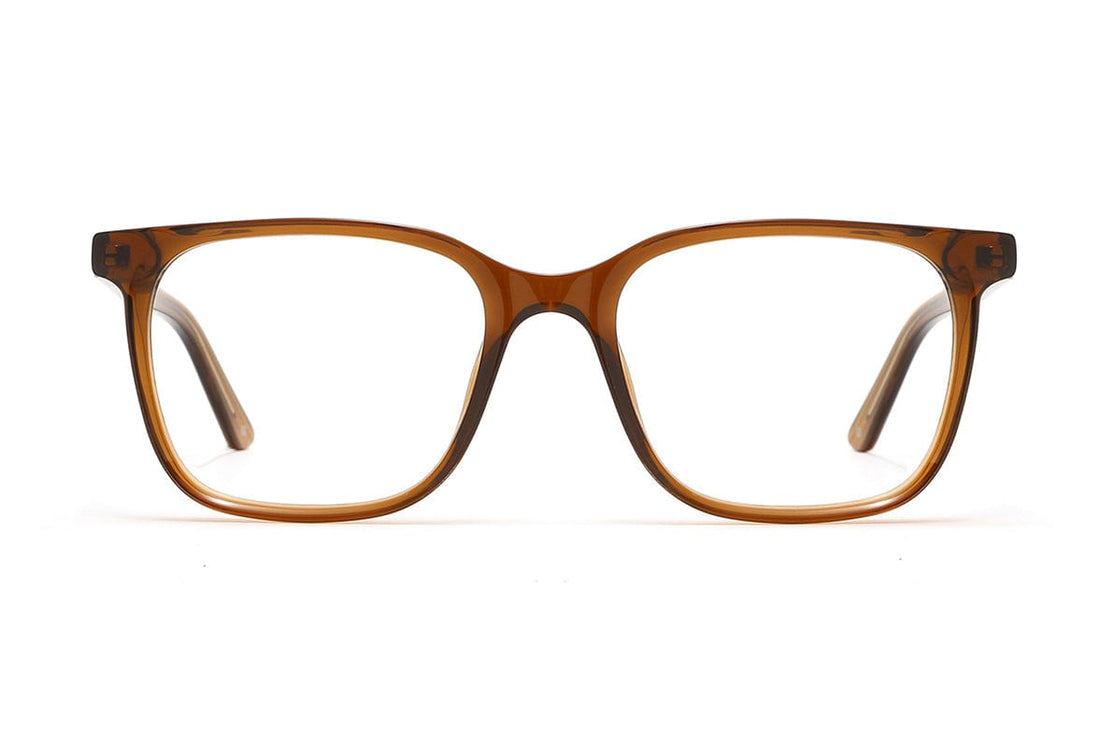

Photochromic vs Transition Lenses: What's the Difference?
Photochromic Lenses vs Transition Lenses
11 min read • Updated on 12 April 2026
If you’ve been shopping for light-adaptive eyewear, you’ve likely come across both the terms “photochromic lenses” and “transition lenses” — and wondered whether they mean the same thing. The short answer is: almost, but not quite. Understanding the difference between photochromic lenses vs transition lenses will help you make a more informed decision about which lens is right for your lifestyle, prescription, and budget.
In this guide we cover everything you need to know — how each lens works, how they compare in real-world performance, the key differences between Transitions GEN S™ and Transitions XTRActive®, what colour options are available, how much transition lenses cost, and which option is right for you.
What Are Photochromic Lenses and How Do They Work?
Photochromic lenses are optical lenses that automatically darken when exposed to ultraviolet light and return to a clear state indoors. They contain special molecules — typically silver halide compounds or organic photochromic dyes — embedded directly into the lens material. When UV radiation from sunlight hits these molecules, they undergo a chemical reaction that causes the lens to darken. When UV exposure decreases indoors, the molecules reverse the process and the lens gradually clears again.
This automatic adaptation is what makes photochromic lenses so practical for everyday wear. Most quality photochromic lenses begin darkening within 30 to 60 seconds of UV exposure and clear within two to five minutes indoors, depending on the lens technology and temperature. They provide continuous UV protection whether the lenses appear dark or clear, making them a genuinely functional upgrade over standard prescription lenses.
Photochromic is the broad technology term — it describes any lens that darkens in response to light. This includes both generic photochromic lenses and branded options like Transitions®.
What Are Transition Lenses and How Do They Work?
Transition lenses are a specific brand of photochromic lenses developed by Transitions Optical. Like all photochromic lenses, they darken in sunlight and clear indoors — but Transitions® lenses are engineered with proprietary photochromic technology that delivers faster activation, faster clearing, and more consistent performance across different temperatures and lighting conditions compared to standard generic photochromic lenses.
In other words, all Transition lenses are photochromic, but not all photochromic lenses are Transitions®. The Transitions® brand currently offers several lens lines — including Transitions GEN S™ and Transitions XTRActive® — each designed for different lifestyles and use cases. At Kraywoods, we offer our own signature photochromic lenses alongside both Transitions GEN S™ and Transitions XTRActive®, giving you access to the full range of light-adaptive lens options in one place.
What Is the Difference Between Photochromic and Transition Lenses?
The core difference between photochromic lenses and transition lenses comes down to technology, performance, and branding. Photochromic lenses is the general term for any light-adaptive lens that darkens in UV light — this includes generic photochromic lenses produced by various manufacturers as well as branded options. Transitions® is a registered brand name owned by Transitions Optical, referring to their specific line of premium photochromic lenses.
In practical terms, the differences show up most clearly in three areas:
Speed — Transitions® lenses are generally engineered to darken faster and clear faster than standard generic photochromic lenses, with Transitions GEN S™ representing the fastest generation available.
Performance consistency — Transitions® lenses are designed to perform more reliably across temperature extremes, whereas standard photochromic lenses can slow down noticeably in cold or warm conditions. For a closer look at how these lenses perform in real-world conditions, the American Academy of Ophthalmology breaks down the pros and cons of photochromic lenses in detail.
Style options — Transitions® lenses, particularly Transitions GEN S™, offer a wider range of tint colours beyond the classic grey and brown.
For most everyday wearers, high-quality generic photochromic lenses perform reliably and represent excellent value. For those who want the fastest adaptation, specific colour options, or enhanced driving performance, Transitions® lenses offer meaningful advantages worth the additional investment.
Transitions GEN S™ vs Transitions XTRActive® — Which Is Right for You?
Within the Transitions® range, two products are most relevant for everyday prescription glasses wearers — Transitions GEN S™ and Transitions XTRActive®. While both are premium photochromic lenses, they are designed for different lifestyles and priorities.
Transitions GEN S™
Transitions GEN S™ is the latest generation of the core Transitions® lens, engineered for the fastest outdoor activation and fastest indoor clearing of any Transitions® lens to date. It’s the ideal choice for wearers who move frequently between indoor and outdoor environments and want seamless, rapid adaptation. Transitions GEN S™ is also available in five exclusive style colours — Emerald, Sapphire, Amethyst, Amber, and Ruby — making it a strong choice for style-conscious wearers who want their light-adaptive lenses to make a statement. Available in single vision and progressive prescriptions at Kraywoods.
Transitions XTRActive®
Transitions XTRActive® is engineered for wearers who spend extended time in very bright outdoor conditions or who need light-adaptive performance behind a car windshield — something standard photochromic lenses and even standard Transitions® lenses don’t reliably deliver. By reacting to both UV light and visible light, Transitions XTRActive® lenses darken more deeply outdoors and offer a meaningful tint level even inside a vehicle, making them the top recommendation for drivers and anyone in consistently high-brightness environments. Available in Grey, Brown, and Graphite Green in single vision and progressive prescriptions at Kraywoods.
Quick Guide
-
Transitions GEN S™: choose this if speed, style colours, and everyday versatility are your priorities
-
Transitions XTRActive®: choose this if driving performance, deeper outdoor darkness, and high-brightness environments are your priorities
-
Kraywoods signature photochromic lenses: choose this if you want reliable everyday light-adaptive performance at excellent value
How Do They Compare? Photochromic vs Transition Lenses Side by Side
Here’s a direct comparison of standard photochromic lenses vs Transitions® lenses across the key performance areas:
| Feature | Standard Photochromic | Transitions GEN S™ | Transitions XTRActive® |
| Darkening speed | 1–2 minutes | Under 60 seconds | Under 60 seconds |
| Clearing speed | 3–5 minutes | Under 2 minutes | 2–3 minutes |
| Driving performance | Limited behind windshield | Limited behind windshield | Activates behind windshield |
| Outdoor darkness | Medium tint | Full sunglass-level tint | Deepest available tint |
| Temperature consistency | Can slow in extreme temps | Consistent across temps | Consistent across temps |
| Colour options | Grey, Brown, Graphite Green | Emerald, Sapphire, Amethyst, Amber, Ruby | Grey, Brown, Graphite Green |
| UV protection | Full UVA/UVB | Full UVA/UVB | Full UVA/UVB |
| Blue light filtering | Optional upgrade | Available | Available |
| Best for | Everyday value | Fast adaptation & style | Drivers & bright environments |
| At Kraywoods | ✓ Signature photochromic | ✓ Transitions GEN S™ | ✓ Transitions XTRActive® |
Do photochromic lenses reach category 3 darkness?
Category 3 is the darkest standard sunglass tint. Standard photochromic lenses typically reach category 2 to low category 3 in ideal conditions. Transitions XTRActive® lenses are designed to reach deeper darkness and come closest to a full category 3 tint outdoors. If maximum outdoor darkness is a priority, Transitions XTRActive® is the right choice.
What Colour Transition Lenses Should You Get?
Choosing the right lens tint colour for your transition lenses depends on both personal preference and your primary use case. Here’s a practical guide:
Grey
The most universally versatile tint — darkens to a neutral shade that preserves natural colour perception, making it ideal for everyday wear, driving, and general outdoor use. Grey is available across all three lens options at Kraywoods.
Brown
Enhances contrast and warms tones slightly, making it a popular choice for outdoor activities, driving in variable light, and wearers who prefer a warmer visual experience. Available in our signature photochromic lenses and Transitions XTRActive®.
Graphite Green
Offers a slightly cooler, higher-contrast tint that is particularly well suited to outdoor sports and activities where visual precision matters. Available in our signature photochromic lenses and Transitions XTRActive®.
Emerald, Sapphire, Amethyst, Amber, and Ruby
Five exclusive style colours available with Transitions GEN S™ only. These tints are designed for wearers who want their light-adaptive lenses to be a style statement — each colour adds a distinct tint when darkened while remaining subtle and wearable. If colour expression is important to you, Transitions GEN S™ is the only option that offers these shades.
For most wearers, Grey is the safest and most practical starting point. If you spend a lot of time outdoors or driving, Brown or Graphite Green offer useful functional advantages. If personal style is a priority, the Transitions GEN S™ colour range opens up a wide range of expressive options.
How Much Do Transition Lenses Cost?
The cost of transition lenses varies depending on the type of photochromic lens you choose and where you purchase them.
Standard Photochromic Lenses
The most budget-friendly option — offering reliable UV-activated darkening and a practical, cost-effective choice for everyday wearers who want light-adaptive performance without paying for premium brand features. At Kraywoods, our signature photochromic lenses are included with your frame at exceptional value, with free anti-scratch, anti-reflective, and UV protection coatings included at no extra cost.
Transitions GEN S™ and Transitions XTRActive®
Both carry a higher price point due to advanced proprietary technology, faster performance, and an extended feature set. For wearers who drive frequently, want deeper outdoor darkness, or prioritise specific style colours, the additional investment reflects genuine performance differences.
Insurance and HSA/FSA
Many vision insurance plans offer partial or full coverage for photochromic lenses as a prescription lens upgrade — coverage varies by provider and plan. If you have an HSA or FSA, you can use those funds directly toward your light-adaptive lenses at Kraywoods. For questions about insurance documentation or claims, contact us at customercare@kraywoods.com and our team will help with what you need.
At Kraywoods, every pair of transition lenses — regardless of which light-adaptive lens you choose — comes with free worldwide shipping, a 14-day return policy, and a 12-month warranty.
Which Should You Choose — Photochromic or Transition Lenses?
The right choice between photochromic lenses and transition lenses comes down to your lifestyle, how you use your glasses day to day, and what performance features matter most to you.
Choose our signature photochromic lenses if you want reliable, all-day light-adaptive performance at excellent value. They’re well suited to everyday indoor-outdoor wear, offer full UV protection, and come with free anti-scratch, anti-reflective, and UV coatings at Kraywoods — making them one of the best value options for prescription photochromic glasses available online.
Choose Transitions GEN S™ if you move frequently between indoor and outdoor environments and want the fastest available activation and clearing. The exclusive style colour range — Emerald, Sapphire, Amethyst, Amber, and Ruby — also makes GEN S™ the right choice for wearers who want their adaptive lenses to reflect their personal style.
Choose Transitions XTRActive® if you spend a significant amount of time driving, work in very bright outdoor environments, or want the deepest outdoor darkness available in a prescription light-adaptive lens. Transitions XTRActive® is the only lens in our range that activates meaningfully behind a car windshield.
If you're weighing transition lenses against a dedicated pair of prescription sunglasses, read our full comparison.
Whatever you choose, all three options are available at Kraywoods in single vision and progressive prescriptions, reviewed by our certified in-house optician before every order ships.
If you're also weighing a light-adaptive lens against a dedicated pair of prescription sunglasses, our full comparison breaks down when each option makes the most sense.
Why Choose Kraywoods for Light-Adaptive Lenses?
At Kraywoods, light-adaptive eyewear isn’t an afterthought — it’s central to what we do. Our transition lenses collection brings together our own signature photochromic lenses alongside Transitions GEN S™ and Transitions XTRActive®, all mounted in handcrafted frames made from eco-friendly materials including sustainably sourced wood, plant-based acetate, and recycled metals.
Every pair comes complete — free anti-scratch, anti-reflective, and UV protection coatings are included at no extra cost, and every order is reviewed by our certified in-house optician before it goes into production. We offer free worldwide shipping, a 14-day return policy, and a 12-month warranty on every pair, so you can shop with complete confidence. And with every order placed, we plant one tree in Kenya through our partnership with One Tree Planted — because we believe great eyewear should do more than just look good.
Whether you’re choosing your first pair of light-adaptive glasses or upgrading to a more advanced photochromic lens, Kraywoods makes the process simple, transparent, and genuinely worth it. Browse our Transition Lenses collection to find your perfect light-adaptive frame.
The Bottom Line
Both photochromic lenses and Transitions® lenses are excellent choices for anyone who wants the convenience of light-adaptive eyewear. The right choice comes down to your priorities — everyday value, the fastest available performance, or enhanced driving capability. At Kraywoods, all three options are available in one place, with free coatings, free worldwide shipping, and a certified in-house optician reviewing every order before it ships.
Explore our Transition Lenses collection and find the light-adaptive lens that fits your lifestyle.
Frequently Asked Questions
Are photochromic lenses and transition lenses the same?
No. Photochromic is the general technology term for any lens that darkens in UV light. Transitions® is a registered brand of premium photochromic lenses by Transitions Optical. All Transitions® lenses are photochromic, but not all photochromic lenses are Transitions® branded.
Do transition lenses block UV light?
Yes. All transition and photochromic lenses block 100% of UVA and UVB rays, even when fully clear indoors. UV protection is built into the lens material itself, so your eyes stay protected regardless of how dark the lenses appear.
How do transition lenses work?
Transition lenses contain photochromic molecules that react to UV light — darkening outdoors and clearing again indoors. Speed and tint depth depend on the lens type, UV intensity, and temperature. Transitions XTRActive® also reacts to visible light, which lets it activate behind a car windshield.
What is the difference between Transitions GEN S™ and Transitions XTRActive®?
Transitions GEN S™ offers the fastest activation and clearing, plus five style colours — ideal for everyday indoor-outdoor wear. Transitions XTRActive® darkens deeper, activates behind a windshield, and is the better choice for drivers and bright outdoor conditions.
Can you get transition lenses in sunglasses?
Yes — transition lenses are available in prescription glasses and prescription sunglasses, and can also be added to non-prescription frames. They start clear and darken in sunlight, which makes a dedicated tint unnecessary for most everyday wear. For consistently bright conditions or driving, a fixed-tint prescription sunglass may still be the better choice.
Do transition lenses work in the car?
Standard photochromic and standard Transitions® lenses don't darken significantly behind a windshield because car glass blocks UV light. Transitions XTRActive® lenses are engineered to activate behind glass by reacting to visible light, making them the recommended choice for drivers.
How much do transition lenses cost?
Standard photochromic lenses are the most affordable option. Transitions GEN S™ and Transitions XTRActive® cost more due to their advanced technology and performance features. Many vision insurance plans offer partial coverage, and HSA/FSA funds can be applied toward your purchase.
How long do transition lenses last?
Transition lenses typically last 2 to 3 years before the photochromic performance begins to fade. The lenses still function as standard prescription lenses after that, but the darkening response gradually slows and the maximum tint becomes lighter. Proper care — avoiding extreme heat and storing them in a case — helps extend their lifespan.
 Rayhan El-Asmar
Photochromic vs Transition Lenses: What's the Difference?
Shop by category