
How to Style Glasses: The Complete Style Guide (2026)
Wie man eine Brille stylt
12 min read • Updated on 4 September 2026
How to style glasses well is one of the small skills that changes how you look and feel more than most people expect. Glasses and sunglasses are more than corrective, they're an accessory that sits on your face every day, and pairing them thoughtfully with your outfits, hair, and personal aesthetic separates "wearing glasses" from "looking styled."
This guide covers everything you need to build a real style around your eyewear: how to identify your personal style, how to pair glasses with different outfits and occasions, what frame colors and materials work with different wardrobes, and how hair, makeup, and accessories complete the look.
In diesem Leitfaden werden folgende Themen behandelt:
-
How to find your personal eyewear style
-
Sunglasses style tips that actually work
-
How to pair glasses with different outfits
-
Face shape and frame style: how they work together
-
Frame colors and materials for different wardrobes
-
Styling glasses for different occasions
-
Hair, makeup, and accessories that complement glasses
For deep dives on specific style categories (vintage, cat-eye, aviator, minimalist), head to the Styles & Trends hub.
How to find your personal eyewear style
Finding your personal eyewear style starts with what you already wear, not what you wish you wore. The best pair is the one that looks like it belongs in your closet, matches how you dress most weeks, and complements your natural aesthetic rather than fighting it.
Start with your wardrobe
Open your closet and note the dominant colors, materials, and silhouettes. If your wardrobe leans neutral and structured, angular frames in tortoiseshell or matte finishes tend to feel right. If it leans soft and expressive, warmer materials like rosewood or textured acetate pair better.
Recognize your style archetype
Most personal styles land somewhere in a few common archetypes. Understanding yours makes eyewear decisions faster.
-
Classic: minimal, timeless, quiet. Frames: understated round, rectangular, tortoiseshell, wire metal
-
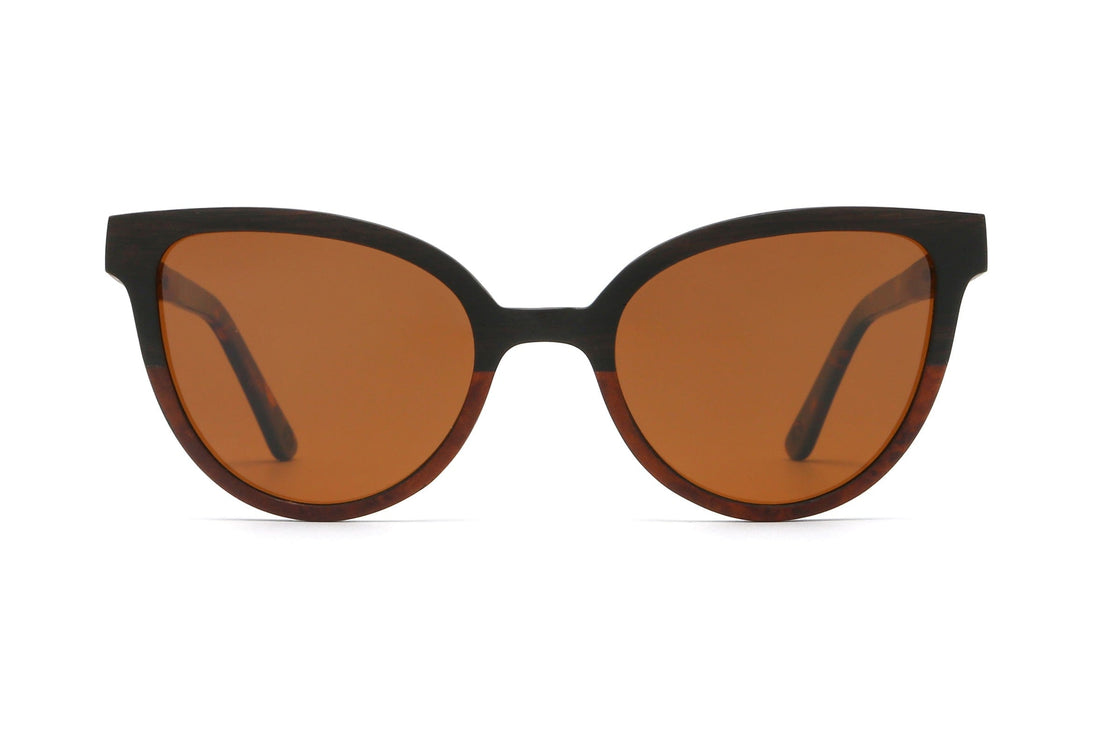
Statement: bold, expressive, memorable. Frames: cat-eye, oversized, thick acetate, colored
-
Minimalist: clean, modern, unfussy. Frames: thin metal, rimless, neutral tones
-
Retro: era-inspired, character-forward. Frames: browline, round wire, oversized 70s, colored 90s
-
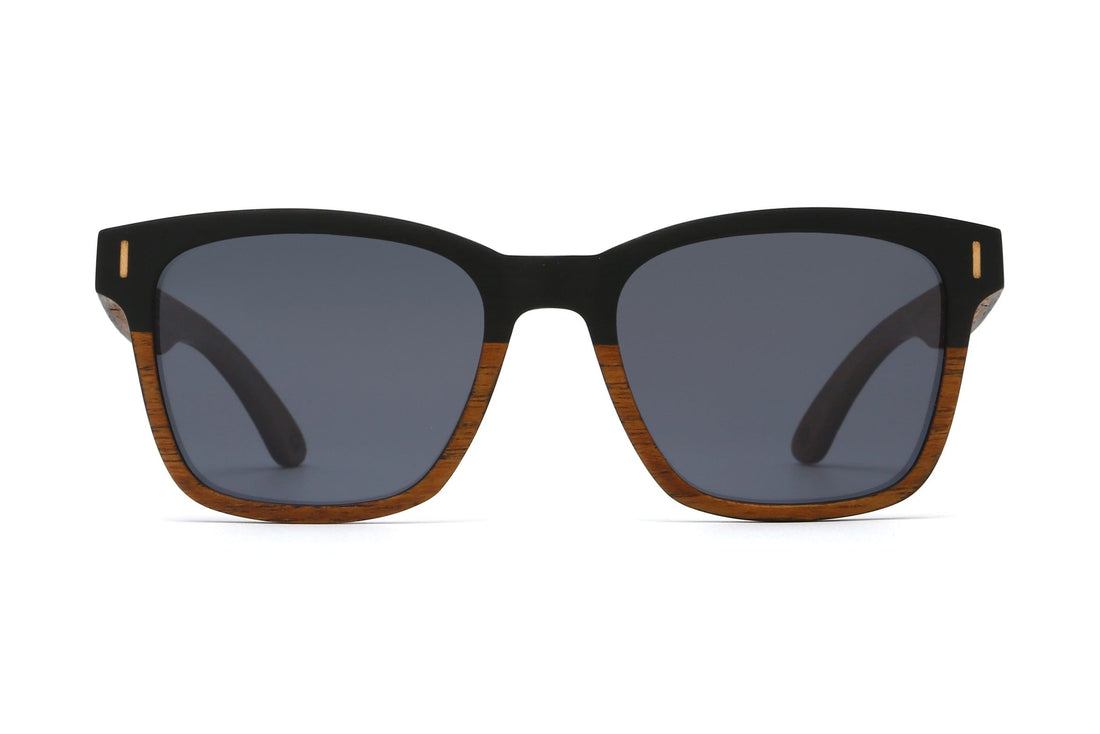
Creative: unconventional, expressive, personal. Frames: geometric, two-tone, wooden, patterned
Match material to aesthetic
Frame material carries as much style weight as frame shape. Wood and bio-acetate feel warm and craft-forward. Metal feels precise and minimal. Thick acetate feels expressive and confident. The material sends a signal before anyone notices the shape.
Sunglasses style tips that actually work
Sunglasses do more styling work than prescription frames because they're often the only accessory in the outfit. The right pair completes a look; the wrong pair distracts from it.
1. Pick a tint that fits your personality, not just the weather
Grey lenses read neutral and understated. Brown or amber lenses feel warm and vintage. Green lenses lean sport and outdoor. Gradient tints (darker on top, lighter on bottom) work well for driving and casual wear. Mirrored lenses skew active or bold.
Note that choosing between sunglasses lens tints and finishes comes down to more than just style, and the AAO's guide to recommended types of sunglasses can help narrow down your options.
2. Get the proportion right
Sunglasses should sit roughly at the width of your face, no wider than your cheekbones. Oversized styles work if your face is average or larger; small sunglasses suit smaller faces and specific looks (Y2K, retro-forward). Frames that push past your temples make everything else look smaller. Find fit specific tips in How Should Sunglasses Fit Your Face.
3. Build a two-pair rotation
A stylish sunglasses wardrobe usually needs two pairs: one everyday classic that goes with everything (grey or brown lenses, neutral frames), and one statement pair for outfits that ask for more (colored lenses, bolder shape, tortoiseshell or wood). Together they cover almost every situation.
4. Avoid the common styling mistakes
Wearing sunglasses on top of the head stretches the frame and transfers hair product to the lenses. Pushing sunglasses up onto your head at the end of the day is fine occasionally, not as a habit. Mismatched formality also reads awkwardly, aviators with a suit works; oversized cat-eyes with athleisure feels off.
How to pair glasses with different outfits
Glasses interact with your outfit whether you plan for it or not. The best pairings feel intentional; the worst feel accidental. A short framework by outfit type:
Casual: T-shirts, jeans, everyday wear
Casual outfits welcome frames with personality. Bold acetate, tortoiseshell, wooden frames, and colored tints all work well because there's less competing style detail in the outfit. This is where fun frames get to be the focal point.
Work and business casual
Restrained frames read as professional. Rectangular, oval, or subtle round frames in neutral finishes (black, brown, tortoiseshell, gunmetal) fit most workplaces. Bio-acetate in classic patterns adds interest without breaking the professional register.
Formal wear
Formal outfits (suits, dresses, evening wear) reward classic frames and minimalistic glasses. Thin metal frames, understated acetate, and cat-eye styles (for the right context) all work. Avoid loud colors and unusual shapes; the outfit does the statement-making, and glasses should support it.
Athleisure and smart casual
The mixed nature of these outfits gives you flexibility. Understated round frames or minimal metal work well and don't fight the relaxed silhouette. Anything overly formal in shape (rectangular, sharply angled) tends to feel out of place.
Coordinate colors thoughtfully
Frames don't need to match your outfit exactly. What works better is picking frames in a color family that harmonizes with your wardrobe as a whole. Warm-toned frames (tortoiseshell, honey acetate, rosewood) work with earthy, warm palettes. Cool-toned frames (black, silver, dark tortoise, ebony) work with cooler, more monochromatic wardrobes.
Face shape and frame style: how they work together
Face shape gives you a starting point for which frames tend to flatter your features. It's not a strict rule, but it's a useful shortcut when you're deciding between two similar pairs.
A quick overview:
-
Round faces: angular frames add structure (square, rectangle, geometric)
-
Oval faces: most shapes work well; oval is the most versatile face shape
-
Square faces: softer curves balance strong angles (round, oval, cat-eye)
-
Heart faces: bottom-heavy frames balance a wider forehead (aviator, oval, rimless rectangle)
-
Oblong faces: wider frames with visual weight (oversized, decorative)
-
Diamond and triangular faces: cat-eye, browline, or oval frames soften cheekbones
For the full framework and shape-specific frame recommendations, head to the Face Shape & Fit hub or check out our curated face shape guide for glasses.
Frame colors and materials for different wardrobes
Frame material and color carry as much visual weight as frame shape. Choosing the right combination for your wardrobe is what turns a good pair into an unmistakably "yours" pair.
If your wardrobe leans warm (browns, olives, camels, warm neutrals, autumn tones), warm frame materials pair beautifully: tortoiseshell, honey acetate, walnut wood, gold or bronze metal. These feel like extensions of the palette rather than accessories against it.
Cool palettes
If your wardrobe leans cool (blacks, greys, navies, cool neutrals), cool-toned frames work best: matte black, dark tortoiseshell, ebony wood, silver or gunmetal. These match the overall temperature of your look and stay understated.
Wooden and bio-acetate frames as versatile choices
Kraywoods specializes in wooden glasses and sunglasses and bio-acetate frames, both of which have natural variation that helps them work across palettes. Rosewood and walnut lean warm; ebony and darker woods lean cool. Bio-acetate patterns often blend both, which is why tortoiseshell has stayed popular for a century, it works with almost anything.
When to go bold
Colored frames (red, blue, green, translucent) work when the rest of your wardrobe is restrained. A muted outfit with a bold frame becomes a coherent statement; a busy outfit with a bold frame becomes visual noise. The frame should have room to be seen.
How to style glasses for different occasions
The same frames don't always work for every occasion. Building a small rotation of pairs for different contexts is how most stylish glasses wearers actually operate.
Everyday
Everyday glasses need to work with everything you wear most weeks. Neutral colors, restrained shapes, and comfortable weight are the priorities. This is where classic tortoiseshell, thin metal, or minimal acetate frames earn their keep.
Work and professional
Professional environments reward pairs that read polished and considered without being flashy. Rectangular, oval, or subtle browline frames in tortoiseshell, matte black, or gunmetal work across most industries. Save the statement frames for personal time unless your workplace explicitly welcomes them.
Special occasions and events
Weddings, parties, and events are where a statement pair actually earns its place. Bold acetate, colored frames, or a signature vintage-inspired pair can complete an outfit that's already doing the work. The frames become part of the outfit's memory.
Travel and vacation
Travel styling rewards versatility. One neutral pair of everyday glasses plus one classic sunglasses (aviator or wayfarer shape) covers most looks, packs light, and works from day to evening. If you're into aviators, check out our guide on how to style aviator sunglasses for more tips.
Photos and camera-heavy occasions
Glasses show up differently on camera than in mirrors. Reflection on lenses can be distracting in flash photography; anti-reflective coatings help significantly. Thicker frames photograph more prominently than thin metal, which can help or hurt depending on the shot.
Hair, makeup, and accessories that complement glasses
Glasses share space with hair, makeup, and other accessories. Styling them well means treating the whole face as a composed system rather than isolated pieces.
Hair
Hair worn up (ponytail, bun, top knot) makes glasses the focal point of the face, which flatters bold frames. Hair worn down softens the presence of glasses and works better with understated pairs. Bangs interact with the top of the frame directly; frames with a curved brow bar (browline, aviator) tend to work best with bangs
Makeup with glasses
Glasses draw attention to the eye area, so heavy eye makeup competes rather than complements. A few adjustments make the eyes and glasses work together:
-
Conceal under-eye shadow, since it's magnified by the lenses
-
Use lighter, more diffused eyeshadow rather than sharp, heavy lines
-
Apply mascara at the roots more than the tips (long lashes brush against lenses)
-
Balance a bold frame with softer lip color, or a bold lip with restrained frames
Jewelry and accessories
Glasses count as an accessory, so the rest of your jewelry should either complement or step back. If your frames are bold, keep earrings small and understated. If your frames are minimal, statement earrings or a necklace get room to breathe. Metal frames tend to look best when they harmonize with the metal in your jewelry (gold with gold, silver with silver).
Glasses chains and functional accessories
A glasses chain adds a practical accessory that also does styling work, keeps your pair from getting lost and adds a jewelry-like layer to the face and neck. Chains work best with sunglasses or reading glasses, worn casually rather than during formal occasions. Match the chain metal to your other jewelry when possible.
Die wichtigsten Erkenntnisse
-
Start with your existing wardrobe when finding your eyewear style, not with what's trending. The best pair looks like it belongs in your closet.
-
Frame material carries as much style weight as frame shape. Wood feels warm and craft-forward; metal feels precise; thick acetate feels confident.
-
Coordinate frame colors with your wardrobe's temperature (warm-toned frames with warm palettes, cool with cool) rather than matching exactly.
-
Build a small rotation of pairs for different occasions rather than trying to find one pair that does everything.
-
Balance glasses with makeup, hair, and jewelry as a system. Bold frames earn room; minimal frames give room to other pieces.
-
Face shape gives you a useful starting point for frame choice, not a strict rule. Personal style always outranks the face shape formula.
Abschließende Gedanken
Styling glasses well is less about specific rules and more about paying attention to the whole picture, frames plus wardrobe plus hair plus context. The best-dressed glasses wearers pick pairs that fit their existing style rather than trying to build a new style around a pair.
Explore prescription glasses or sunglasses with wooden and bio-acetate frames, designed in Canada with sustainable materials and premium lenses included as standard.
Häufig gestellte Fragen
How do I know what style of glasses suits me?
Start with the clothes you wear most weeks. Match frame material and color to your wardrobe's dominant palette, and pick shapes that complement either your face structure or your usual silhouette lines. Trying on frames virtually or in-store confirms the fit before you commit. Personal style should feel effortless, not effortful.
What outfits look best with glasses?
Glasses work with almost any outfit when the frame style matches the outfit's tone. Casual outfits welcome bolder frames; work outfits reward restrained shapes; formal wear calls for classic thin metals or subtle acetate. The rule is coordination, not exact matching. Frame and outfit should feel like they belong together.
Should my glasses match my outfit?
Not exactly, but they should coordinate. Frames don't need to match your outfit color-for-color; instead, pick frames in a color family that harmonizes with your wardrobe as a whole. Tortoiseshell, black, and warm woods all work as neutrals that pair with most looks without demanding attention.
How do I make my glasses look stylish?
Fit is the foundation. Frames that sit correctly on your face look stylish before you do anything else. From there, match frame material and shape to your personal style, coordinate with your wardrobe's palette, and let your hair and accessories complement rather than compete with the glasses. Confidence handles the rest.
Are big or small glasses more stylish?
Neither, size should match your face and your aesthetic. Larger frames make a statement and suit average to larger faces. Smaller frames feel understated and suit smaller faces or specific looks (Y2K, retro-forward). What matters is proportion: frames shouldn't push past the width of your face or disappear against it.
How do I choose glasses that match my personal style?
Identify your style archetype first (classic, statement, minimalist, retro, creative). Match frame material and shape to that archetype rather than to trending styles. A minimalist wardrobe suits thin metal or subtle acetate; a statement wardrobe suits bold color or oversized shapes. Personal style beats trend-following every time.
 Kraywoods
How to Style Glasses: The Complete Style Guide (2026)
Nach Kategorie einkaufen