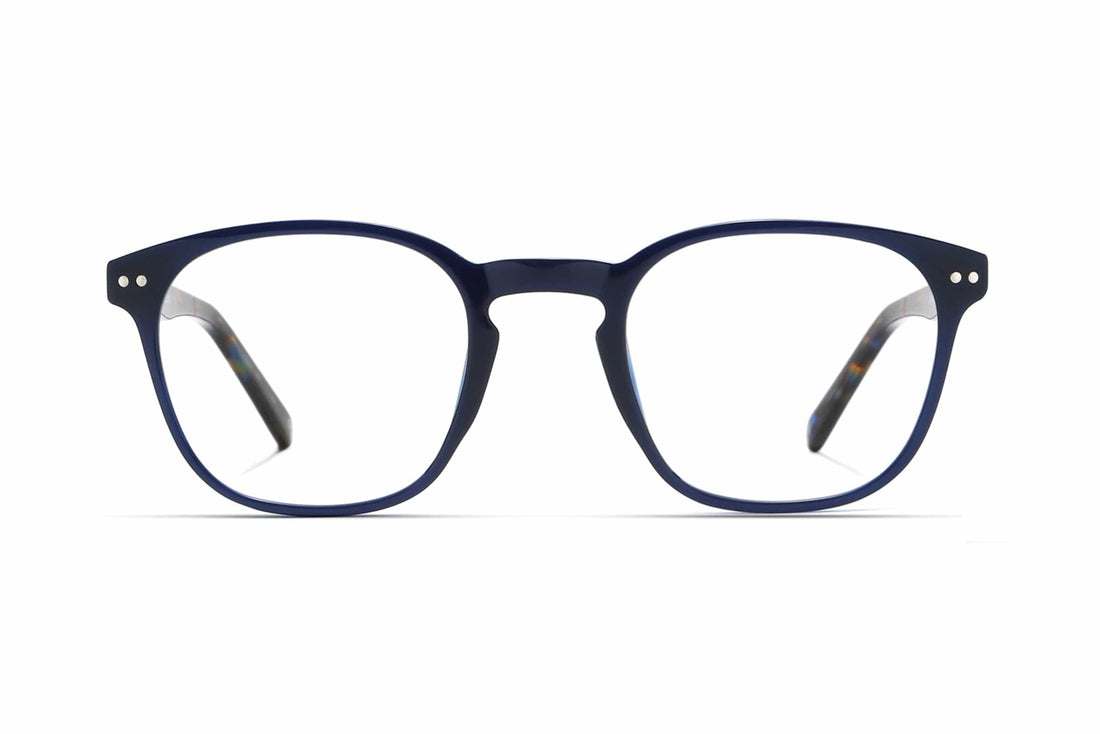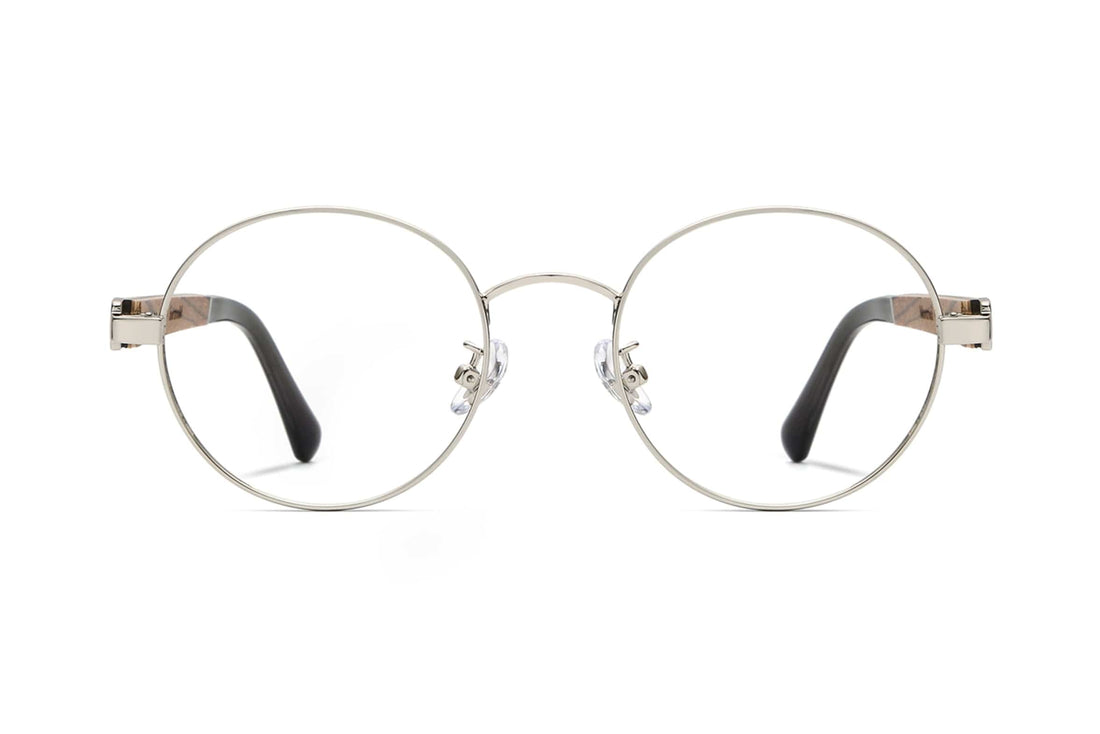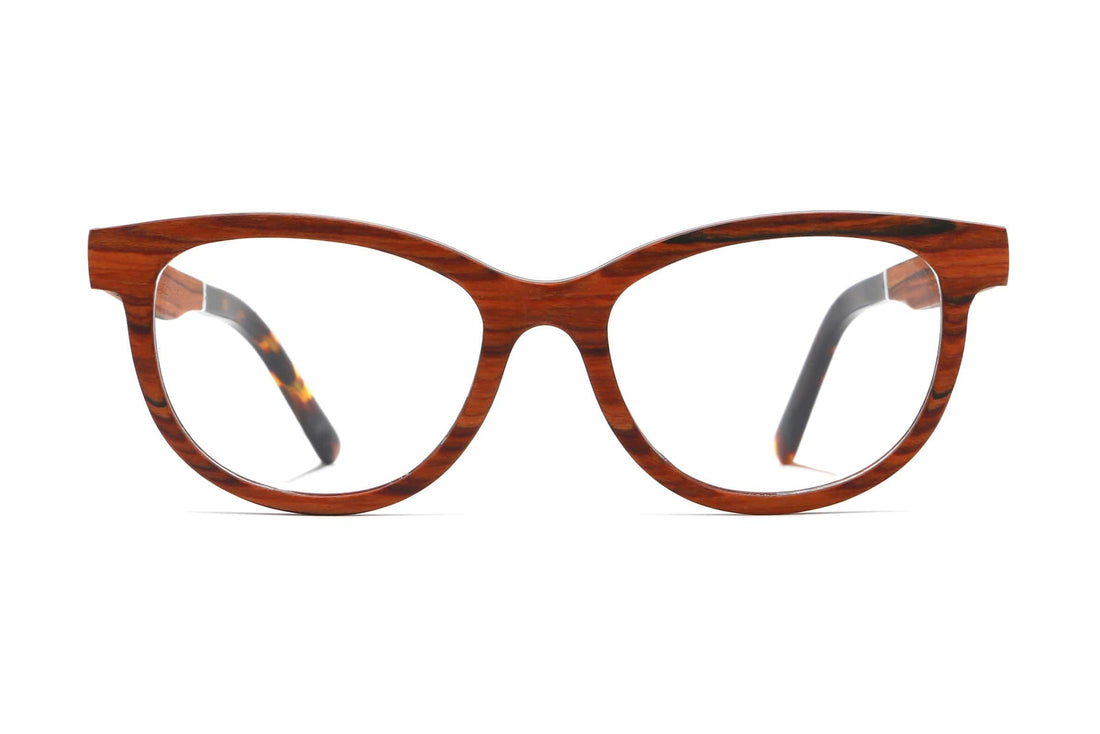

What Are Asian Fit Glasses? Low Bridge Fit Explained
What Are Asian Fit Glasses?
10 min read • Updated on 16 July 2026
What are Asian Fit Glasses?
Asian fit glasses, also called low bridge glasses, are frames designed for people with low nose bridges, higher cheekbones, or wider facial features. They feature a lower bridge, larger nose pads, slightly curved temples, and an adjusted lens tilt so frames stay secure all day instead of slipping down or resting on the cheeks.
If you've ever fallen in love with a pair of glasses only to have them slide down your nose or press into your cheekbones, the problem usually isn't the style. It's the fit. Traditional eyewear is built for a higher nose bridge, which leaves a lot of people searching for frames that actually stay where they're meant to.
That's where Asian fit glasses come in. Also called low bridge glasses, these frames are designed specifically for low nose bridges, higher cheekbones, and wider facial structures. In this guide, we'll explain what makes them different, how to tell if you need a low bridge fit, and how to find the right pair.
In this article:
-
What Asian fit (low bridge) glasses are
-
Who should wear them
-
The 4 design features that make them different
-
How they compare to standard fit glasses
-
How to find your perfect pair
Mitä ovat Aasian Fit-lasit tai Low Bridge -lasit?
Asian fit glasses (also known as low bridge glasses) are frames adjusted to fit faces with a flatter, lower nose bridge. While standard frames assume a higher nose bridge sits squarely between the eyes, low bridge fit glasses are built around a lower starting point, with a wider, flatter bridge, larger nose pads, and a tilt that keeps the lenses off the cheekbones.
They're sometimes also called low nose bridge glasses or prominent nose bridge glasses, depending on the brand. The naming reflects the same idea: frames that account for facial structures common across East Asian and many other ethnic backgrounds, where the traditional Western-style bridge simply doesn't fit.
If you've never heard the term before, here's the quick logic. Most off-the-shelf eyewear is mass-produced for one bridge shape. If your nose doesn't match that shape, the frames slide, pinch, or rest on your face in ways they shouldn't. Asian fit glasses solve that with a few small design changes, which we'll break down in detail below.
Do You Need Asian Fit Glasses?
Asian fit glasses aren't only for people of Asian descent. They're for anyone whose face doesn't quite work with traditional frames. If your glasses constantly slip down, sit on your cheekbones, or feel tight around the temples, low bridge fit is probably what you need.
Here's a simple way to tell. Stand in front of a mirror and place a finger at the highest point of your nose bridge, the hard part where your nose meets your forehead between your eyes. If your finger sits in line with or below your pupils, you have a low nose bridge, and Asian fit glasses are built for you. If your finger sits above your pupils, traditional frames will fit comfortably.
That mirror test is the fastest signal. But the broader picture usually involves a combination of these four traits:
1. You're of Asian descent
If you're of East Asian, Southeast Asian, or South Asian heritage, you may have facial features that don't pair well with traditional Western frame designs. That's not a universal rule, but it's the most common origin of the term 'Asian fit'. Frames built for these features tend to fit better whether or not the 'Asian fit' label is on the box.
3. You have a wider face
Wider faces often pair with lower nose bridges, and standard frames tend to feel too narrow across the temples. Asian fit frames are usually slightly wider through the bridge and temple span, which spreads weight more evenly and prevents the pinching that can lead to headaches by mid-afternoon.
4. You have higher cheekbones
Higher cheekbones lift the bottom of a regular frame upward, so the lenses end up resting on your face rather than hovering just in front of it. Asian fit glasses feature an upward lens tilt that lifts the frames clear of the cheekbones, preventing smudges, red marks, and the constant micro-adjustments many wearers don't even realize they're doing.
The 4 Design Features of Asian Fit Glasses
Once you understand the facial structure these frames are built for, the design changes are easy to spot. There are four main adjustments that separate Asian fit (low bridge) glasses from standard frames.
Before we dig in, take a look at the AAO's quick guide to the essential parts of eyeglasses to familize yourself with the terms.
1. Larger nose pads
Standard nose pads are small because a higher bridge holds frames up on its own. With a low nose bridge, frames need more surface area to grip, which is why Asian fit glasses come with larger pads. The extra contact area distributes weight evenly across the sides of the nose, not the slope, so the frames stay put without leaving red marks.
For wearers with less angular noses, the bigger pads also reduce slippage without adding noticeable weight. It's a small change that makes long-day wear genuinely comfortable.
2. Adjustable fit and keyhole bridge
Many low bridge frames feature adjustable silicone nose pads, which can be gently bent inward or outward to dial in the perfect fit. If frames feel slightly loose, a small nose pads adjustment tightens the hold. If they feel tight, an outward bend opens them up.
Some Asian fit styles also use a keyhole bridge, a small notched shape at the top of the bridge that sits higher on the nose and prevents slipping. If you want to explore this style, our best keyhole glasses guide walks through which keyhole shapes work best for different face types.
3. Curved temples
Standard temple arms tend to be straight, which can pinch against the sides of the head on wider faces. Asian fit glasses use slightly outward-curved temples that sit further apart at the tips than at the lens. This gives the frame more breathing room behind the ears and keeps the arms from rubbing against the cheekbones.
4. Adjusted lens tilt
The final and most subtle feature is lens tilt. Asian fit frames angle the top of the lenses slightly away from the face, which keeps the bottom of the lens clear of the cheekbones. This is what stops your glasses from moving every time you smile or talk, and it's the difference between frames that feel like part of your face and frames you're constantly aware of.
Asian Fit vs Standard Fit Glasses
The simplest way to understand the difference is side by side:
| Ominaisuus | Standard Fit | Asian Fit (Low Bridge) |
| Nose bridge | Higher, narrower | Lower, wider |
| Nose pads | Smaller, fixed | Larger, often adjustable |
| Temple arms | Straight | Slightly curved outward |
| Lens tilt | Vertical or minimal | Tilted upward, away from cheeks |
| Best for | Nose bridge above pupil line | Nose bridge at or below pupil line |
| Common issue if mismatched | Slipping, pressure on cheekbones | Frames sit too high, feel loose |
Standard fit glasses are designed for the average Western nose profile, with a higher, narrower bridge and pads sitting comfortably on the slope. Asian fit glasses make four targeted changes to that same blueprint so the frames work for a lower, flatter bridge.
Neither option is 'better' in the abstract. The right one depends entirely on your facial structure. The best place to start is the mirror test above. From there, the face shape guide can help narrow down which frame shapes flatter your features once the fit is right.
Asian Fit Sunglasses and Prescription Eyeglasses
Asian fit isn't limited to eyeglasses. Both prescription frames and sunglasses are available in low bridge fit, and the design adjustments work the same way regardless of lens type.
For sunglasses, the upward lens tilt is especially valuable because it keeps the lenses lifted off the cheekbones during outdoor wear, where heat and sweat can otherwise cause frames to slide. If you're looking for shaded options, our best sunglasses for Asian faces guide breaks down 12 frames built with these features in mind.
For prescription eyeglasses, the larger nose pads matter most. Heavier prescription lenses pull frames down more aggressively, and standard pads can't compensate. The best eyeglasses for Asian faces guide covers prescription-specific recommendations.
Find Your Asian Fit Glasses
The right Asian fit glasses combine the four design adjustments (lower bridge, larger pads, curved temples, adjusted lens tilt) with frame shapes and materials that flatter your face. At Kraywoods, every pair in our low bridge glasses collection is built with these features and crafted in sustainable wood, plant-based acetate, or lightweight metals. Browse the collection to find your ideal fit.
Usein kysytyt kysymykset
What is the difference between Asian fit and standard fit glasses?
Asian fit glasses have a lower nose bridge, larger nose pads, slightly curved temples, and an upward lens tilt compared to standard frames. The result is a more secure, comfortable fit for low nose bridges and higher cheekbones, features that often cause traditional glasses to slip or sit awkwardly on the face.
How do I know if I have a low nose bridge?
Stand in front of a mirror and place a finger at the highest point of your nose bridge. If your finger sits in line with or below your pupils, you have a low nose bridge and Asian fit glasses will fit you better. If your finger sits above your pupils, traditional frames will work comfortably.
Are Asian fit glasses only for people of Asian descent?
No. While the design was originally created with East Asian facial features in mind, Asian fit glasses suit anyone with a low nose bridge, higher cheekbones, or wider facial features. This includes many people of Latin, Indigenous, and African descent, as well as anyone whose traditional glasses constantly slip or rest on the cheekbones.
What's the difference between low bridge fit and Asian fit?
There is no difference. 'Low bridge fit' and 'Asian fit' describe the same set of design adjustments: a lower nose bridge, larger nose pads, curved temples, and adjusted lens tilt. The two terms are used interchangeably by most eyewear brands.
Do Asian fit glasses come as sunglasses too?
Yes. Asian fit is available for both prescription eyeglasses and sunglasses. The same design adjustments (lower bridge, larger pads, adjusted lens tilt) apply to both. Many people who need low bridge eyeglasses also benefit from low bridge sunglasses for the same reasons.
Why do my regular glasses slip down or sit on my cheeks?
The most common reason is a mismatch between your nose bridge height and the frame's bridge design. If you have a low nose bridge, standard frames will sit too low and slide because there isn't enough surface area for the nose pads to grip. Higher cheekbones can also push the bottom of the lens up against the face, causing frames to feel uncomfortable or constantly need adjusting. Asian fit glasses address both problems directly.
 Rayhan El-Asmar
What Are Asian Fit Glasses? Low Bridge Fit Explained
Shop by category