
ADHD Glasses: What They Are and How They Work
ADHD Glasses: What They Are and How They Work
10 min read • Posted on 14 March 2026
You may have come across the term “ADHD glasses” online or on social media, often described as eyewear that can help improve focus. While the name suggests a direct connection to attention deficit hyperactivity disorder (ADHD), the reality is more nuanced.
ADHD glasses are not a medical treatment for ADHD. Instead, the term is commonly used to describe eyewear designed to improve visual comfort—particularly for people who experience light sensitivity, glare, eye strain, or visual overwhelm during reading, screen use, or close work.
Because the phrase is used loosely, it can be confusing to understand what ADHD glasses actually are, how they work, and whether they are likely to help.
In this guide, we’ll explain:
-
What the term “ADHD glasses” really refers to
-
How light sensitivity and visual strain can affect concentration
-
The different types of lenses often associated with ADHD glasses
-
Who might benefit from them and who likely won’t
-
When it’s best to speak with an eye care professional
Understanding the role of visual comfort can help set realistic expectations and make it easier to decide whether these types of glasses are worth exploring.
What Are ADHD Glasses?
ADHD glasses are not a medical category and are not recognized as a treatment for attention deficit hyperactivity disorder. The term is informal and generally used to describe eyewear that may help reduce visual discomfort.
When people talk about ADHD glasses, they are usually referring to glasses designed to address issues such as glare, eye strain, screen fatigue, or light sensitivity rather than attention itself.
Understanding this distinction helps set realistic expectations. Glasses do not change executive function, impulse control, or the neurological mechanisms that drive ADHD symptoms. Instead, they may reduce visual stress that can make certain tasks feel more tiring.
In everyday use, ADHD glasses may refer to several types of eyewear, including:
-
Prescription lenses for refractive errors or focusing issues
-
Prism lenses prescribed for eye alignment or binocular vision problems
-
Blue-light filtering glasses used to reduce screen-related visual discomfort
-
Tinted or filtered lenses, including FL-41, for people with light sensitivity
-
Neuro-glasses, which are being explored in research related to peripheral visual stimulation
-
Light therapy glasses, designed to support circadian rhythm rather than visual correction
Although these lenses serve different purposes, they share a similar goal: making visual input easier for the eyes to tolerate during visually demanding tasks.
Why Vision and Light Can Affect Focus
Visual comfort plays a larger role in concentration than many people realize. Even when eyesight appears normal, glare, harsh lighting, visual clutter, and long hours of screen exposure can create enough discomfort to increase fatigue during tasks that require sustained attention.
For some individuals with ADHD, this added strain can make focus feel more difficult. Instead of fading into the background, bright lights, reflections, or busy visual environments may continuously compete for attention.
Over time, this extra processing effort can make reading, studying, or computer work feel mentally exhausting.
Sensory Sensitivity and Visual Overload
ADHD is often associated with differences in sensory processing, including how the brain interprets visual information. Some individuals are more sensitive to bright light, flicker, strong contrast, or visually crowded environments.
In practical terms, spaces such as classrooms with fluorescent lighting, bright offices, or visually dense digital interfaces can become tiring quickly. When the eyes and brain must constantly adapt to uncomfortable visual conditions, mental stamina tends to drop.
This does not mean visual discomfort causes ADHD, but it can contribute to fatigue or distraction during visually demanding tasks.
Light Sensitivity and Screen Exposure
Screens, LED lighting, and reflective surfaces expose the eyes to constant brightness and glare. For people who are sensitive to light, this discomfort may be subtle but persistent.
Over time, it can contribute to eye fatigue, headaches, and reduced tolerance for prolonged reading or screen use.
Blue-light filtering glasses are often discussed in this context. Their main purpose is to make digital screens more comfortable to use, rather than directly improving attention.
How ADHD Glasses Work
ADHD glasses are designed to reduce visual stress, not to improve attention directly. Their purpose is to make visually demanding tasks feel less physically tiring by improving how the eyes experience brightness, glare, contrast, or alignment.
When visual input feels harsh or uncomfortable, the brain often shifts toward relief-seeking behavior, such as looking away, losing focus, or abandoning a task sooner than intended. By reducing that visual burden, certain activities may feel easier to sustain.
Improving Visual Comfort (Not ADHD Symptoms)
It is important to distinguish visual comfort from ADHD treatment. ADHD glasses do not regulate attention, impulse control, or executive function.
Any benefit they provide is indirect. When the eyes feel more comfortable, tasks such as reading, studying, or screen work may simply feel less exhausting.
People who find these lenses helpful often report:
-
Reduced eye fatigue during reading or screen use
-
Less discomfort from glare or bright indoor lighting
-
Fewer headaches related to visual strain
-
Improved tolerance for extended close-up work
These improvements, when they occur, are typically subtle and depend on the individual’s visual sensitivities.
Types of Glasses Often Called ADHD Glasses
Because ADHD glasses is a catch-all phrase, it can refer to different types of lenses depending on a person’s visual needs. What helps one individual may not make a noticeable difference for another.
Prescription Lenses
Prescription lenses may help when an underlying vision issue contributes to eye strain. This may include uncorrected refractive errors, focusing problems, or binocular vision difficulties that make reading and close work more demanding.
When the eyes must work harder to maintain clear and stable vision, visual tasks can quickly become tiring. Correcting these issues can significantly reduce strain, though the improvement comes from addressing the vision problem itself rather than ADHD.
Prism Lenses
Prism lenses are specialized prescription lenses used when there is an eye alignment or binocular vision problem. They adjust how images are positioned so the eyes can work together more comfortably.
Prism lenses are sometimes discussed in ADHD conversations because binocular vision issues can occasionally go unnoticed. However, they are highly specific and should only be prescribed after a comprehensive eye exam.
Blue-Light Filtering Glasses
Blue-light filtering glasses are commonly used during screen-heavy activities. They are designed to reduce exposure to certain wavelengths of blue light and may lessen some of the visual discomfort associated with prolonged digital viewing.
For people who experience eye fatigue from screens, these glasses may make digital devices more comfortable to use.
Tinted Lenses for Light Sensitivity
Tinted lenses are often used by people who are sensitive to bright light or glare. These lenses soften harsh lighting conditions and can make indoor lighting, sunlight, or screen exposure easier to tolerate.
One commonly discussed option is FL-41 glasses, a rose-colored tint originally developed for people with migraines and light sensitivity. Although it was not designed specifically for ADHD, some individuals with ADHD report improved comfort when using this type of tint in bright environments.
For outdoor environments, sunglasses for sensitive eyes often come with tinted or polarized lenses that help reduce glare and visual discomfort in bright light.
Neuro-Glasses and Light Therapy Glasses
While most discussions about ADHD glasses focus on lenses designed for visual comfort, some conversations also include experimental or specialized devices.
Neuro-glasses are being explored in research related to peripheral visual stimulation and alertness. Light therapy glasses are designed to influence circadian rhythms and sleep-wake cycles rather than vision itself.
These devices are not standard eyewear solutions and should be approached cautiously when broad claims about attention improvement are made.
The different types of glasses commonly associated with ADHD are summarized below.
| Type of Glasses | What They Do | Who They May Help |
| Prescription lenses | Correct vision problems such as refractive errors or focusing issues | People whose eye strain comes from uncorrected vision |
| Prism lenses | Help align images between both eyes to reduce binocular vision strain | Individuals with diagnosed eye alignment or convergence problems |
| Blue-light filtering glasses | Reduce exposure to certain blue light wavelengths from screens | People who experience screen fatigue or digital eye strain |
| Tinted lenses (FL-41) | Reduce glare and soften harsh lighting | Individuals with light sensitivity or migraines |
| Neuro-glasses / light therapy glasses | Experimental devices related to peripheral visual stimulation or circadian rhythm support | Specific clinical or research contexts |
Kraywoods ADHD Glasses and Lens Customization Options
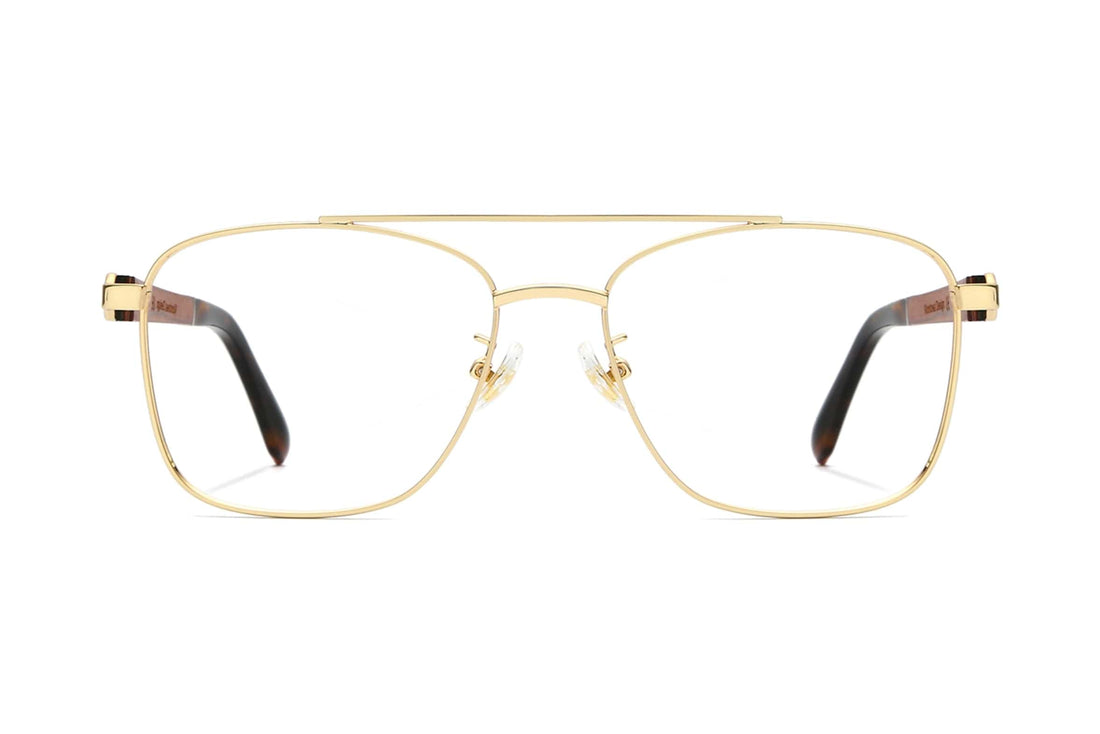
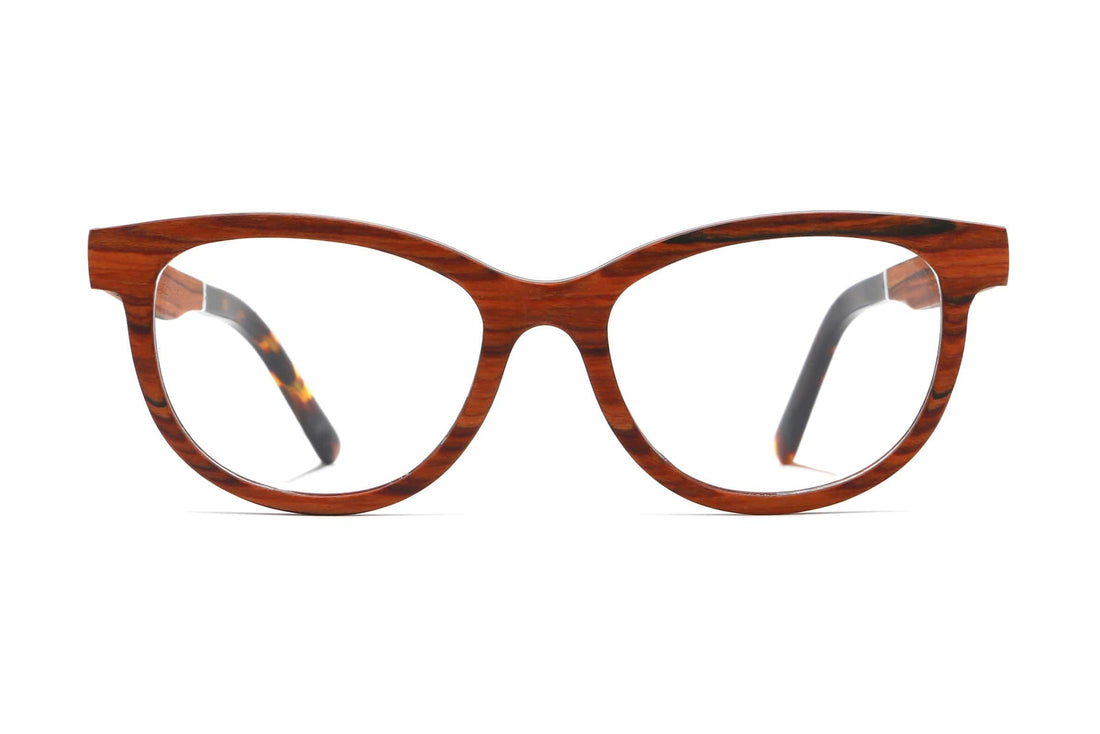
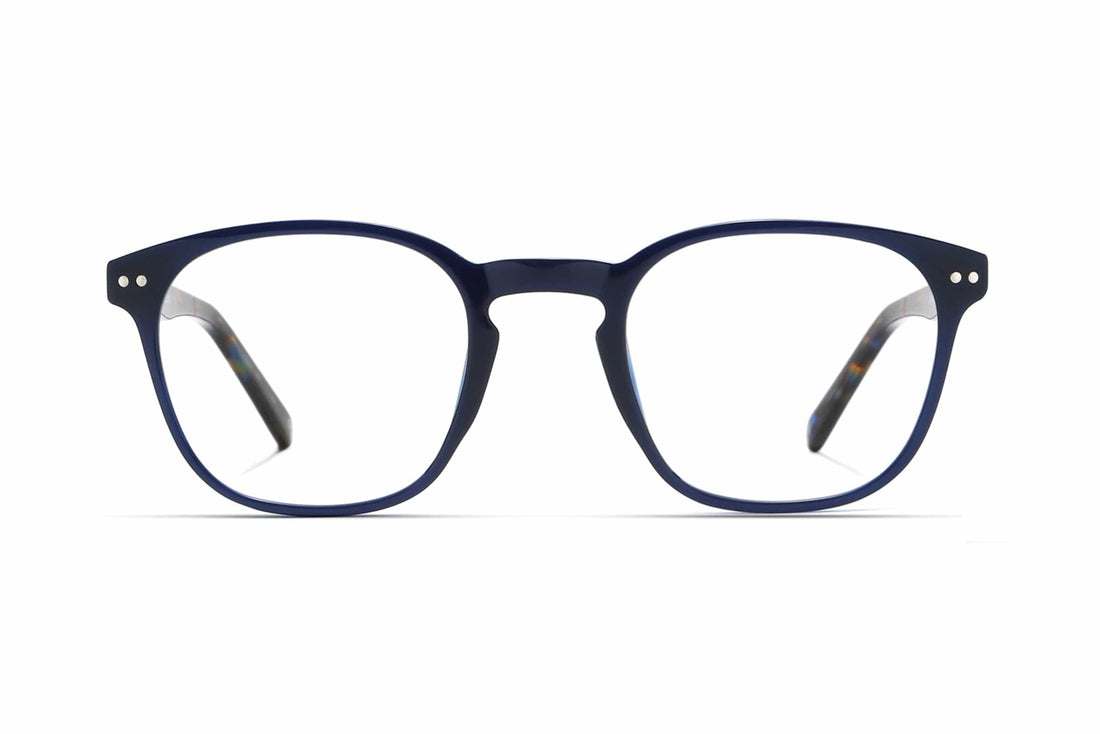
At Kraywoods, eyewear is not presented as a medical solution for ADHD. Instead, the focus is on visual comfort, offering eyeglasses that can be customized with lens features designed to reduce common visual stressors such as glare, harsh lighting, and screen-related eye strain.
Because the term “ADHD glasses” is informal, what matters most is whether a particular lens setup helps improve comfort in everyday environments. Rather than promoting a one-size-fits-all solution, Kraywoods frames can be customized with lens options suited to different visual needs.
For example, Kraywoods eyeglasses can be fitted with:
-
Therapeutic tinted lenses, including FL-41–style tints designed to soften bright lighting and reduce glare
-
Prescription or non-prescription lenses, depending on whether vision correction is needed
-
Comfortable everyday frames, designed for extended wear during reading, screen use, or other close-up work
For individuals who experience light sensitivity or glare discomfort, FL-41 tinted lenses are one option often explored to make indoor lighting and digital screens easier to tolerate. You can view our full selection of FL-41 glasses in eco-friendly frames, available with prescription or non-prescription lenses."
You can view a selection of frames that can be customized with this tint in the Kraywoods glasses collection.
What ADHD Glasses Do Not Do
Understanding the limits of ADHD glasses is just as important as understanding their potential benefits.
These glasses do not treat ADHD. They do not alter brain chemistry, regulate attention, or address the neurological mechanisms responsible for ADHD symptoms.
They also do not eliminate distractibility. Even when visual discomfort is reduced, distractions related to sound, internal thoughts, emotional regulation, or environmental stimuli can still interfere with focus.
Finally, results vary widely. Some people notice improved visual comfort, while others experience little or no change. Their usefulness depends largely on whether visual strain is part of a person’s daily experience.
Who Might Benefit From ADHD Glasses
ADHD glasses are most likely to help individuals who regularly experience visual discomfort during everyday tasks.
People Who May Benefit
Individuals who are sensitive to bright indoor lighting, glare, or strong contrast may find that tinted or filtered lenses make their environment easier to tolerate.
People who spend long hours reading, studying, or working on digital devices may also notice reduced eye fatigue if visual strain contributes to their discomfort.
In some cases, undiagnosed vision issues may also play a role. Correcting those problems can improve visual comfort significantly.
People Less Likely to Benefit
ADHD glasses are less likely to help individuals who do not experience eye strain, light sensitivity, or headaches during visually demanding tasks.
They are also unlikely to provide meaningful improvement for people expecting direct changes in impulse control, motivation, or executive function.
The deciding factor is not the ADHD diagnosis itself, but whether visual discomfort is a noticeable part of everyday activities.
When to Talk to an Eye Care Professional
If you regularly experience eye strain, blurred vision, double vision, headaches while reading, or strong light sensitivity, it is best to consult an optometrist or ophthalmologist before trying specialty lenses.
A comprehensive eye exam can determine whether symptoms are related to prescription accuracy, binocular vision issues, focusing problems, dry eye, migraine-related sensitivity, or another eye health condition.
Professional guidance is particularly important for specialty lenses such as prism prescriptions. When improperly prescribed, these lenses can worsen discomfort instead of improving it.
Sudden or severe light sensitivity, especially when accompanied by eye pain, vision changes, or neurological symptoms, should always be evaluated by a medical professional.
Lopulliset ajatukset
ADHD glasses are best understood as visual comfort tools, not ADHD treatment. The term is informal and can refer to several different types of lenses, including prescription lenses, prism lenses, blue-light filtering glasses, and tinted lenses such as FL-41.
For individuals who experience light sensitivity, glare discomfort, or screen-related eye strain, reducing visual stress can make tasks like reading, studying, or screen use easier to tolerate.
However, these glasses do not treat ADHD and should not be viewed as a substitute for professional care. Their value lies in improving visual comfort, which may remove one small barrier that makes everyday tasks more demanding.
Frequently Asked Questions About ADHD Glasses
Do ADHD glasses actually help with focus?
ADHD glasses do not improve attention directly. Any benefit typically comes from reducing visual strain or light sensitivity, which can make tasks such as reading or screen work more comfortable to sustain.
Are ADHD glasses a medical treatment?
No. ADHD glasses are not a clinical treatment for ADHD. They are eyewear options designed to improve visual comfort in certain situations.
Can ADHD glasses replace medication or therapy?
No. Glasses cannot replace evidence-based ADHD treatments such as therapy, behavioral strategies, or medication.
Is FL-41 specifically designed for ADHD?
No. FL-41 lenses were originally developed for migraines and light sensitivity. They are sometimes discussed in ADHD contexts because some individuals with ADHD also experience visual sensitivity.
Do you need a prescription to try ADHD glasses?
Not always. Some tinted or blue-light filtering lenses are available without prescription. However, if you experience headaches, blurred vision, or persistent eye strain, an eye exam is recommended.
How long does it take to notice a difference?
If benefits occur, they are usually subtle and comfort-related. Some people notice changes within a few days, while others may need one to two weeks to adapt to tinted or filtered lenses.
 Rayhan El-Asmar
ADHD Glasses: What They Are and How They Work
Shop by category