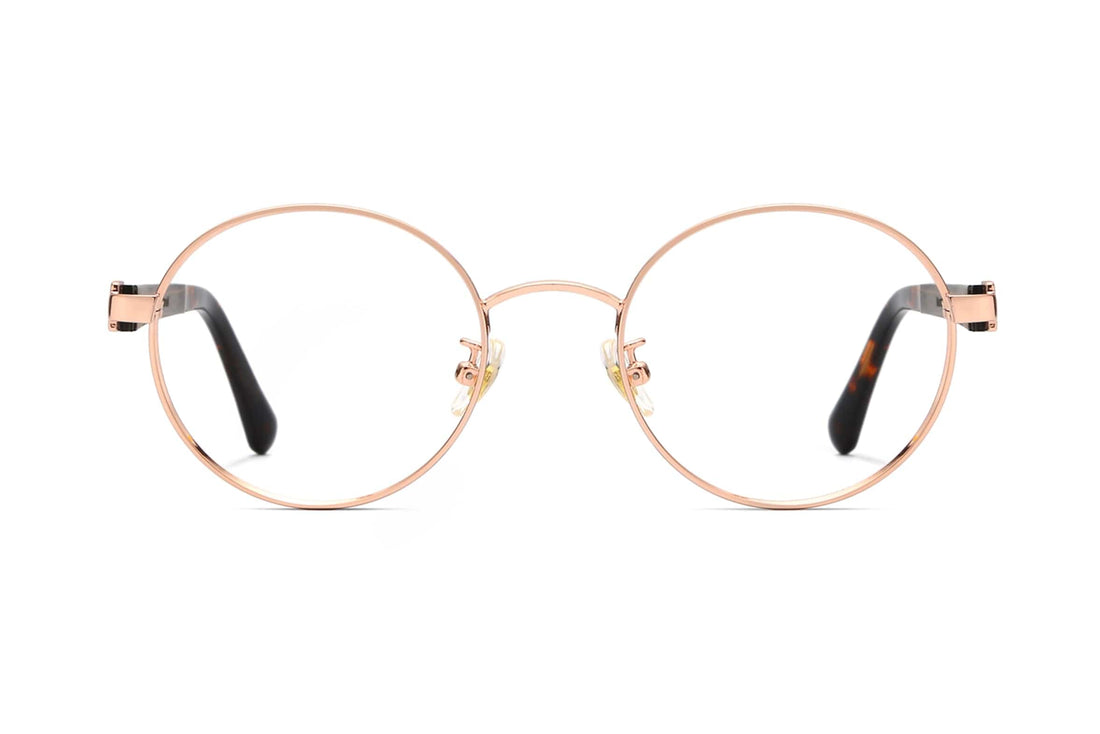

Que sont les verres anti-fatigue ? Un guide complet
Que sont les verres anti-fatigue ?
8 min de lecture • Publié le 10 mai 2026
Les verres anti-fatigue sont conçus pour réduire la fatigue oculaire provoquée par une utilisation prolongée d'écrans et par des tâches nécessitant une vision de près. Si vous passez de longues heures devant un ordinateur, à étudier ou à lire, et que vous ressentez régulièrement une fatigue, des douleurs ou une vision floue en fin de journée, les verres anti-fatigue pourraient bien être exactement ce dont votre vue a besoin.
Dans ce guide, vous apprendrez :
-
Qu'est-ce qu'un verre anti-fatigue et comment fonctionne-t-il ?
-
À qui s'adressent-ils le mieux ?
-
Comparaison avec les verres anti-lumière bleue et les verres progressifs
-
Est-ce que cela vaut la peine compte tenu de votre mode de vie ?
-
Comment obtenir des verres anti-fatigue adaptés à votre ordonnance
Vous souhaitez avoir une vue d'ensemble plus complète des solutions en matière de lunettes pour lutter contre l'inconfort lié à l'utilisation des écrans ? Notre guide des meilleures lunettes pour réduire la fatigue oculaire vous offre une vue d'ensemble complète.
Que sont les verres anti-fatigue ?
Les verres anti-fatigue sont un type de verres unifocaux améliorés qui intègrent une zone de soutien accommodatif discrète dans la partie inférieure du verre. Cette zone apporte un léger renforcement de la puissance — généralement compris entre +0,60 et +0,88 dioptrie — qui réduit l'effort musculaire que vos yeux doivent fournir pour maintenir la mise au point lors d'activités de vision de près.
La partie supérieure du verre conserve votre correction standard pour la vision de loin, de sorte que votre vision globale reste inchangée. La zone de soutien soulage simplement vos yeux lorsqu’ils en ont le plus besoin. Les verres anti-fatigue ont exactement le même aspect que les verres unifocaux standard : la différence se ressent, elle ne se voit pas.
Comment fonctionnent les verres anti-fatigue ?
Pour comprendre pourquoi les verres anti-fatigue sont efficaces, il est utile de savoir ce qui se passe dans vos yeux lorsque vous passez beaucoup de temps devant un écran.
Chaque fois que vos yeux passent d'une distance à une autre — de votre écran à votre clavier, ou d'un document à un collègue situé à l'autre bout de la pièce —, vos muscles oculaires se contractent et s'adaptent. Ce processus s'appelle l'accommodation. Après plusieurs heures de travail prolongé en vision de près, ces muscles se fatiguent, comme n'importe quel muscle après un effort répété. Il en résulte une fatigue oculaire liée à l'utilisation des écrans, également appelée « syndrome de la vision informatique ».
Les verres anti-fatigue s'attaquent à ce problème à la source. En apportant un soutien accommodatif dans la partie inférieure du verre, ils réduisent l'effort que doivent fournir vos muscles oculaires pour maintenir la mise au point en vision de près. Il en résulte une diminution de la tension oculaire, une réduction de la fatigue visuelle et un confort accru lors de longues heures passées devant un écran.
À qui s'adressent les verres anti-fatigue ?
Les verres anti-fatigue ne sont pas réservés aux personnes souffrant déjà de troubles de la vue. Ils sont destinés à toute personne dont le quotidien implique des tâches prolongées en vision de près, notamment :
Employés de bureau et télétravailleurs : toutes les personnes qui passent la majeure partie de leur journée de travail devant un écran. La fatigue oculaire liée à l'utilisation des écrans s'installe progressivement, et les verres anti-fatigue contribuent à empêcher son aggravation au fil de la journée.
Étudiants : ceux qui ont un volume important de lecture et de travail. Ce dispositif d'aide réduit l'effort musculaire nécessaire pour rester concentré pendant de longues séances de lecture, ce qui vous permet de rester alerte et à l'aise plus longtemps.
Les gamers : ces personnes qui passent de longues heures devant leur écran. Les verres anti-fatigue favorisent une vision confortable de près et à distance intermédiaire, ce qui permet de maintenir un bon niveau de performance même après plusieurs heures d'utilisation.
Si vous présentez les premiers signes de fatigue oculaire : yeux fatigués , légers maux de tête après avoir passé du temps devant un écran ou légère vision floue du texte après de longues périodes de lecture — la plupart des personnes concernées constatent une nette amélioration grâce aux verres anti-fatigue.
Elles sont particulièrement adaptées aux personnes âgées de 20 à 40 ans qui commencent à ressentir les effets d'une sollicitation prolongée de la vision de près, mais qui n'ont pas encore besoin de verres progressifs.
Verres anti-fatigue ou verres anti-lumière bleue : quelle est la différence ?
C'est l'une des questions les plus fréquentes que se posent les personnes qui recherchent des lunettes destinées à soulager la fatigue oculaire, et la réponse est importante car ces deux technologies répondent à des problèmes différents.
Les verres anti-lumière bleue filtrent une partie de la lumière bleue visible à haute énergie émise par les écrans numériques. Ils visent à soulager les gênes liées à la lumière, celles qui peuvent notamment entraîner des maux de tête, des troubles du sommeil et une sensibilité générale aux écrans.
Les verres anti-fatigue visent à soulager les gênes d'origine musculaire, celles qui résultent de l'effort prolongé nécessaire pour maintenir la mise au point de près pendant plusieurs heures d'affilée.
Ces deux solutions ne sont pas concurrentes, mais complémentaires. Chez Kraywoods, les verres anti-fatigue peuvent être associés à un traitement anti-lumière bleue dans une même paire de lunettes, vous offrant ainsi une protection complète contre les causes musculaires et lumineuses de la fatigue oculaire liée à l'utilisation des écrans. Si vous passez de longues heures devant des écrans, cette combinaison constitue la solution la plus complète qui soit.
Découvrez notre collection de lunettes anti-lumière bleue pour trouver des montures compatibles avec des verres anti-fatigue.
Verres anti-fatigue ou verres progressifs : quelle est la différence ?
Les verres anti-fatigue sont souvent confondus avec les verres progressifs, mais leur fonction est très différente et ils sont adaptés à des étapes différentes de la vie.
Les verres progressifs offrent une correction continue allant de la vision de loin à la vision de près et sont prescrits aux personnes souffrant de presbytie — ce trouble lié à l'âge qui rend difficile la mise au point de près et qui apparaît généralement vers le milieu de la quarantaine. Ils constituent une solution multifocale adaptée à la modification réelle de la capacité de l'œil à faire la mise au point. Découvrez-en davantage sur les verres progressifs et leur fonctionnement.
Les verres anti-fatigue ne constituent pas un traitement contre la presbytie. Ils sont destinés aux personnes qui conservent une bonne capacité d'accommodation, mais qui souffrent de fatigue oculaire due à une sollicitation excessive de celle-ci. L'augmentation de la puissance dans un verre anti-fatigue est subtile et apporte un soutien, sans pour autant avoir un effet correctif comme c'est le cas avec les verres progressifs.
Si vous avez entre 20 et 30 ans et que vous ressentez une fatigue oculaire liée à l'utilisation d'écrans, les verres anti-fatigue constituent très certainement le bon point de départ. Si vous avez environ 45 ans ou plus et que vous avez de plus en plus de mal à lire les petits caractères, il serait plus judicieux de discuter avec votre optométriste des verres progressifs.
Verres anti-fatigue, verres anti-lumière bleue et verres progressifs : comparaison rapide
Voici un comparatif des verres anti-fatigue, anti-lumière bleue et progressifs.
| Fonctionnalité | Verres anti-fatigue | Verres anti-lumière bleue | Verres progressifs |
| Objectif principal | Réduire la fatigue oculaire liée aux tâches nécessitant une vision de près | Filtrer la lumière bleue visible à haute énergie émise par les écrans | Corriger la presbytie grâce à la vision multifocale |
| Idéal pour | Employés de bureau, étudiants, gamers âgés de 20 à 40 ans | Toute personne présentant une sensibilité à la lumière liée à l'écran | Adultes de plus de 40 ans souffrant d’une perte de la vision de près liée à l’âge |
| Comment ça marche ? | Légère augmentation de la puissance (de +0,60 à +0,88 dioptries) dans la lentille inférieure | Revêtement bloquant une partie des longueurs d'onde de la lumière bleue | Correction du gradient entre la vision de loin et la vision de près |
| Période d'adaptation | De quelques jours à une semaine | Aucun | Deux à quatre semaines |
| Peut-on les combiner ? | Oui — se combine avec des lunettes bloquant la lumière bleue | Oui — à associer à des verres anti-fatigue ou progressifs | Oui — se combine avec des lunettes bloquant la lumière bleue |
| Une ordonnance est-elle nécessaire ? | Facultatif | Facultatif | Oui |
Les verres anti-fatigue sont-ils vraiment efficaces ?
Oui. Les verres anti-fatigue bénéficient d'une validation clinique et sont largement recommandés par les optométristes pour les patients souffrant de fatigue oculaire liée à l'utilisation des écrans et de fatigue de la vision de près. La zone d'aide à l'accommodation est une conception optique bien établie qui a été perfectionnée au fil des années.
La plupart des porteurs constatent une amélioration notable du confort visuel dès les premiers jours d'utilisation. La période d'adaptation est courte — généralement de quelques jours à une semaine — car la différence de correction entre les zones est subtile. Beaucoup de personnes remarquent le plus clairement cette différence à la fin d'une longue journée de travail, lorsque leurs yeux sont nettement moins fatigués que d'habitude.
Elles ne constituent pas un remède contre les troubles de la vue sous-jacents et leur efficacité est optimisée lorsqu’elles sont associées à de bonnes habitudes d’utilisation des écrans, telles que des pauses régulières et un positionnement adéquat de l’écran. Toutefois, en tant que solution optique contre la fatigue oculaire liée à l’utilisation des écrans, elles comptent parmi les options les plus pratiques et les plus efficaces disponibles.
Puis-je obtenir des verres anti-fatigue avec ma prescription ?
Oui. Les verres anti-fatigue sont disponibles avec une correction complète, ce qui en fait une solution idéale pour toute personne portant déjà des lunettes de vue et souhaitant lutter contre la fatigue oculaire liée à l'utilisation d'écrans.
Chez Kraywoods, commander des lunettes de vue anti-fatigue est très simple. Choisissez la monture de votre choix parmi notre collection de lunettes de vue, cliquez sur « Sélectionner les verres », puis choisissez « Anti-fatigue » comme type de verres. Vous pouvez télécharger votre ordonnance au format PDF, JPG ou PNG, ou saisir vos informations manuellement. Notre opticien certifié, au sein de notre laboratoire d'optique canadien, examinera votre ordonnance et fabriquera vos verres selon vos spécifications exactes.
Tous les verres anti-fatigue Kraywoods sont équipés de série d'un traitement antireflet et d'une protection anti-UV gratuits. Chaque commande bénéficie en outre de la livraison gratuite dans le monde entier et d'une garantie de 12 mois.
Parcourez notre collection de verres anti-fatigue pour trouver la paire qui vous convient.
Réflexions finales
Les verres anti-fatigue constituent l’une des solutions les plus pratiques pour lutter contre la fatigue oculaire liée à l’utilisation des écrans. Ils réduisent l’effort musculaire à l’origine de la fatigue oculaire en fin de journée, sans nécessiter la période d’adaptation propre aux verres progressifs, et leur aspect est identique à celui des verres unifocaux classiques. Si vous passez plusieurs heures par jour devant des écrans et que vous en ressentez les effets le soir venu, ils méritent d’être envisagés. Parcourez notre collection de verres anti-fatigue pour trouver la paire qui vous convient, ou associez-les à une protection contre la lumière bleue pour bénéficier de la protection oculaire la plus complète qui soit face à l’utilisation des écrans.
Foire aux questions sur les verres anti-fatigue
Que sont les verres anti-fatigue ?
Les verres anti-fatigue sont des verres unifocaux améliorés, dotés d'une zone de soutien accommodatif discrète intégrée dans la partie inférieure du verre. Cette zone réduit l'effort musculaire que vos yeux fournissent lors d'activités de vision de près prolongées, telles que l'utilisation d'un écran, la lecture et les études, contribuant ainsi à prévenir la fatigue oculaire liée à l'utilisation des écrans et la fatigue visuelle.
Les verres anti-fatigue en valent-ils la peine ?
Pour tous ceux qui passent plusieurs heures par jour devant des écrans ou à effectuer des tâches nécessitant une vision de près, les verres anti-fatigue en valent vraiment la peine. Ils soulagent considérablement la fatigue oculaire sans nécessiter la période d'adaptation propre aux verres progressifs, et leur aspect est identique à celui des verres unifocaux classiques.
Quelle est la différence entre les verres anti-fatigue et les lunettes anti-lumière bleue ?
Les verres anti-lumière bleue filtrent la lumière visible à haute énergie émise par les écrans afin de réduire l'inconfort lié à la lumière. Les verres anti-fatigue réduisent l'effort musculaire nécessaire à une mise au point prolongée de près, ce qui permet de lutter contre la fatigue oculaire. Ces deux types de verres sont complémentaires et peuvent être associés au sein d'une même paire.
Les verres anti-fatigue peuvent-ils provoquer des maux de tête ?
Non — les verres anti-fatigue sont conçus pour réduire les maux de tête liés à la fatigue oculaire, et non pour les provoquer. Certains porteurs ressentent de légers maux de tête pendant les premiers jours, le temps que leurs yeux s'adaptent, mais ces symptômes disparaissent généralement rapidement. Pour toute question spécifique à votre ordonnance, veuillez contacter customercare@kraywoods.com.
Combien de temps faut-il pour s'habituer aux verres anti-fatigue ?
La plupart des personnes s'y habituent en quelques jours, voire une semaine. La différence de puissance entre les zones étant très subtile, la transition est nettement plus facile que lors de l'adaptation aux verres progressifs, et de nombreux porteurs constatent une amélioration du confort presque immédiatement.
Les verres anti-fatigue sont-ils identiques aux lunettes pour ordinateur ?
Pas tout à fait. Le terme « lunettes pour ordinateur » est un terme général qui désigne tout type de verres conçus pour améliorer le confort visuel devant un écran. Les verres anti-fatigue constituent un type spécifique de verres dotés d’une zone d’aide à l’accommodation intégrée ; chez Kraywoods, ils peuvent être associés à une protection contre la lumière bleue pour offrir une solution complète de lunettes pour ordinateur.
Ai-je besoin d'une ordonnance pour des verres anti-fatigue ?
Les verres anti-fatigue sont disponibles avec ou sans ordonnance. Si vous disposez d'une ordonnance, vos verres anti-fatigue seront fabriqués selon votre correction exacte, avec l'ajout d'une zone d'aide à l'accommodation. Si vous n'avez pas d'ordonnance, demandez conseil à votre optométriste pour savoir si les verres anti-fatigue sans ordonnance conviennent à votre situation.
 Rayhan El-Asmar
Que sont les verres anti-fatigue ? Un guide complet
Faire ses achats par catégorie