
Les meilleures lunettes pour réduire la fatigue oculaire
Les meilleures lunettes pour réduire la fatigue oculaire
8 min de lecture • Mis à jour le 21 avril 2026
Les meilleures lunettes pour réduire la fatigue oculaire allient une technologie de verres adaptée à des montures confortables et bien ajustées. Que vous souffriez de fatigue oculaire après une longue journée passée devant des écrans, de maux de tête persistants ou d’une vision floue en fin de journée, des lunettes adaptées peuvent faire une réelle différence dans le confort de vos yeux au quotidien.
Dans ce guide, vous apprendrez :
-
Pourquoi les écrans provoquent-ils une fatigue oculaire et que se passe-t-il dans vos yeux ?
-
Les technologies de verres les plus efficaces pour réduire la fatigue oculaire liée à l'utilisation des écrans
-
Quelles sont les caractéristiques de la monture qui garantissent un confort tout au long de la journée ?
-
Quelle solution de lunettes est la mieux adaptée à votre situation particulière ?
Pourquoi les écrans provoquent-ils une fatigue oculaire ?
La fatigue oculaire liée à l'utilisation d'écrans — connue sous le nom médical de « syndrome de la vision informatique » — touche une part importante des personnes qui utilisent des appareils numériques pendant au moins deux heures par jour. Les causes sont multiples et se combinent souvent.
Vos yeux passent sans cesse de votre écran à votre clavier, puis à la pièce qui vous entoure. Chaque changement de focalisation oblige vos muscles oculaires à se contracter et à s’adapter — un processus appelé « accommodation ». Après plusieurs heures d’utilisation prolongée d’un écran, ces muscles se fatiguent, comme n’importe quel muscle soumis à un effort répété. Ajoutez à cela les reflets des écrans, la diminution du clignement des yeux et, souvent, de mauvaises conditions d’éclairage, et l’on comprend aisément pourquoi tant de personnes terminent leur journée avec des yeux qui brûlent, lourds ou qui voient flou.
La bonne nouvelle, c’est que les lunettes spécialement conçues pour l’utilisation d’écrans s’attaquent directement à ces causes — et qu’une combinaison judicieuse entre la technologie des verres et le confort de la monture peut transformer votre expérience visuelle au quotidien.
Les technologies de verres les plus efficaces pour soulager la fatigue oculaire
Toutes les verres ne se valent pas lorsqu'il s'agit d'utiliser un écran. Voici les trois technologies de verres les plus efficaces pour réduire la fatigue oculaire, ainsi que leurs fonctionnalités respectives.
Lentilles bloquant la lumière bleue
Les verres anti-lumière bleue filtrent une partie de la lumière bleue visible à haute énergie émise par les écrans numériques. Une surexposition à la lumière bleue peut entraîner des maux de tête, une sécheresse oculaire, des troubles du sommeil et une sensibilité générale aux écrans. Les lunettes anti-lumière bleue contribuent à réduire l'éblouissement, à améliorer le contraste et à atténuer l'inconfort visuel qui s'accumule lors de longues sessions passées devant un écran. Elles constituent l'une des solutions les plus accessibles et les plus répandues contre la fatigue oculaire liée à l'utilisation des écrans, et conviennent parfaitement à toute personne passant beaucoup de temps sur son téléphone, sa tablette ou son ordinateur.
Verres anti-fatigue
Les verres anti-fatigue adoptent une approche différente. Plutôt que de filtrer la lumière, ils agissent sur l’effort musculaire que vos yeux fournissent lorsqu’ils restent focalisés sur une vision de près pendant de longues périodes. Ils intègrent une zone de soutien accommodatif subtile dans la partie inférieure du verre — un léger renforcement de la correction qui réduit la fatigue liée à une focalisation prolongée sur des objets proches. Il en résulte une diminution de la tension oculaire et un confort accru lors de longues heures de lecture, d’utilisation d’écrans ou de travail minutieux. Ces verres sont particulièrement efficaces pour les personnes âgées de 20 à 40 ans qui constatent les premiers signes de fatigue oculaire liée à l’utilisation des écrans.
Chez Kraywoods, les technologies de verres bloquant la lumière bleue et anti-fatigue peuvent être combinées dans une même paire de lunettes, offrant ainsi à vos yeux une protection complète contre les causes de la fatigue liée à l’écran, qu’elles soient d’origine lumineuse ou musculaire.
Revêtement antireflet
Le traitement antireflet n’est pas un type de verre à part entière, mais il constitue un complément indispensable à tout verre conçu pour une utilisation devant un écran. Le traitement antireflet réduit les reflets provenant des lumières du plafond, des écrans d’ordinateur et des phares des véhicules venant en sens inverse, ce qui permet à vos yeux de fournir moins d’efforts pour maintenir une mise au point nette. Tous les verres correcteurs Kraywoods sont équipés de série d’un traitement antireflet, sans frais supplémentaires — un détail qui fait toute la différence en matière de confort au quotidien.
Le confort du cadre : pourquoi c'est plus important que vous ne le pensez
Si la technologie des verres joue un rôle prépondérant, le confort de la monture a une incidence bien plus importante sur la fatigue oculaire que la plupart des gens ne le pensent. Une monture mal ajustée ou trop lourde crée des points de pression au niveau du nez, des tempes et des oreilles. Cette gêne physique s'ajoute à la fatigue que subissent déjà vos yeux et aggrave ce sentiment de fatigue au fil d'une longue journée.
Lorsque vous choisissez des lunettes destinées à soulager la fatigue oculaire, veillez à :
-
Des matériaux légers tels que le bio-acétate, le bois issu de sources durables ou des métaux respectueux de l'environnement, qui allègent la pression sur votre visage
-
Des charnières à ressort qui offrent une souplesse douce et réduisent la pression derrière les oreilles
-
Un cadre bien équilibré qui reste bien en place sans glisser ni bouger pendant l'utilisation de l'écran
-
Une taille de monture qui permet de positionner correctement vos verres devant vos yeux sans restreindre votre champ de vision
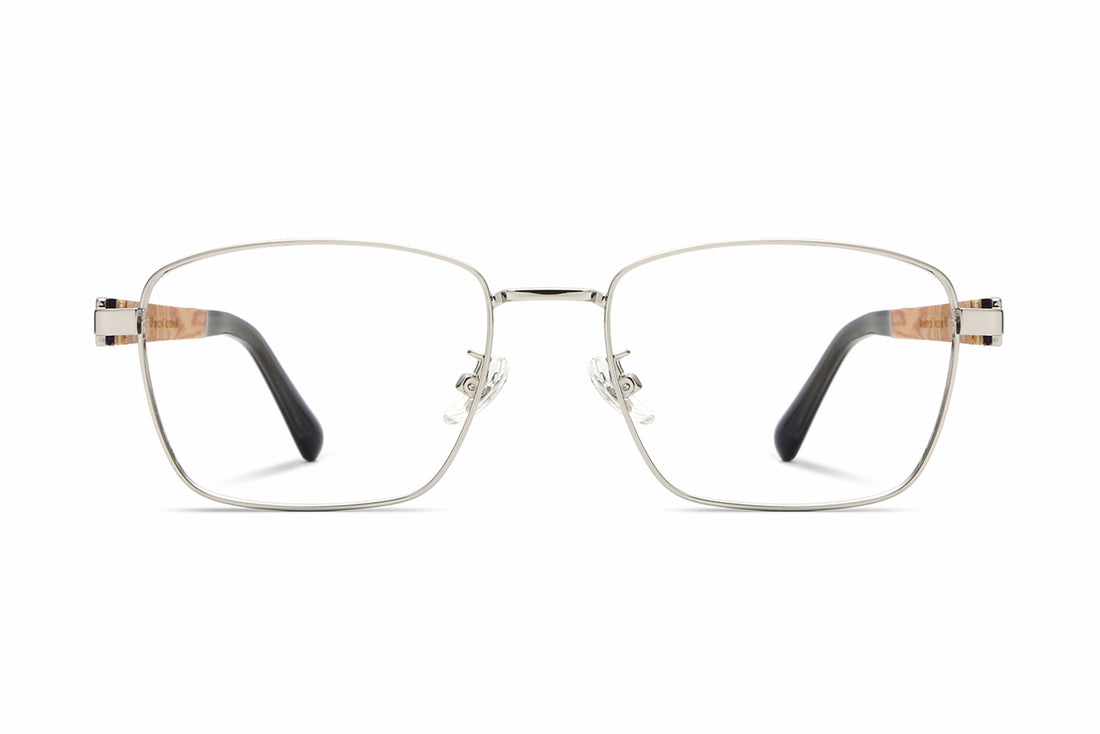
Chez Kraywoods, chaque monture est conçue pour être portée toute la journée. Notre collection de montures de lunettes écologiques — fabriquées à partir de bois issu de sources durables, de bio-acétate et de métaux légers — allie une conception axée sur le confort à une esthétique distinctive et design. Que vous ayez besoin de verres bloquant la lumière bleue, de verres anti-fatigue ou de verres correcteurs, nos montures sont disponibles avec la technologie de verres adaptée à vos besoins. Parcourez notre collection de lunettes de vue, notre collection de lunettes anti-lumière bleue ou notre collection de verres anti-fatigue pour trouver le modèle qui vous convient.
Des habitudes quotidiennes qui préservent vos lunettes
Même les meilleures lunettes sont plus efficaces lorsqu'elles sont associées à de bonnes habitudes d'utilisation des écrans. Ces quelques ajustements simples sont largement recommandés par les professionnels de la vue, notamment l'Association américaine d'optométrie, et peuvent réduire considérablement la fatigue oculaire en complément de vos lunettes :
1. Respectez la règle du 20-20-20.
Toutes les 20 minutes, regardez un objet situé à 20 pieds de distance pendant au moins 20 secondes. Cela permet à vos muscles oculaires de bénéficier d'un repos bref mais bénéfique.
2. Réglez la position de votre écran.
Placez votre écran à la longueur d'un bras et légèrement en dessous du niveau des yeux afin de réduire l'effort nécessaire pour réajuster constamment votre vision.
3. Clignez des yeux de manière consciente.
L'utilisation d'un écran réduit votre fréquence naturelle de clignement des yeux, ce qui entraîne une sécheresse et des irritations. Efforcez-vous de cligner des yeux régulièrement, en particulier lors de longues sessions.
4. Optimisez votre éclairage.
Évitez les éclairages au plafond trop vifs qui provoquent des reflets sur votre écran. Une lampe de bureau diffusant une lumière plus chaude, placée derrière votre écran, crée un environnement visuel plus agréable.
5. Réduisez la luminosité de l'écran.
En adaptant la luminosité de votre écran à la lumière ambiante de votre pièce, vous réduisez le contraste que vos yeux doivent traiter.
Ces habitudes, associées à des lunettes adaptées, peuvent réduire considérablement l'accumulation de la fatigue oculaire liée à l'utilisation d'écrans au cours d'une journée de travail.
Quelle solution de lunettes vous convient le mieux ?
Le choix qui vous convient dépend de la cause principale de votre fatigue oculaire :
Si vos principaux problèmes sont la sensibilité à la lumière, les maux de tête ou les troubles du sommeil liés à l'utilisation d'écrans, les lunettes anti-lumière bleue constituent un bon point de départ.
Si votre principal problème est la fatigue, la sensation de lourdeur au niveau des yeux et la difficulté à rester concentré après avoir effectué pendant longtemps des tâches nécessitant une vision de près, les verres anti-fatigue constituent la solution la plus adaptée.
Si vous souffrez des deux, opter pour une paire de lunettes sur ordonnance combinant la protection contre la lumière bleue et des verres anti-fatigue vous offre la protection la plus complète qui soit.
Vous ne savez pas quelles verres choisir pour votre ordonnance ? Consultez notre guide des verres correcteurs pour découvrir plus en détail les différentes options qui s'offrent à vous, ou contactez notre opticien certifié à l'adresse customercare@kraywoods.com : nous vous aiderons à trouver les verres les mieux adaptés à votre mode de vie.
FAQs
1. Quelles sont les meilleures lunettes pour réduire la fatigue oculaire ?
Le choix des lunettes les plus adaptées pour réduire la fatigue oculaire dépend de la cause de cette fatigue. Les lunettes bloquant la lumière bleue soulagent la gêne liée à la lumière émise par les écrans, tandis que les verres anti-fatigue réduisent l'effort musculaire nécessaire à une focalisation prolongée en vision de près. Pour une protection complète, ces deux technologies peuvent être combinées dans une même paire de lunettes. Des montures légères et bien ajustées jouent également un rôle important pour assurer un confort tout au long de la journée.
2. Les lunettes anti-lumière bleue sont-elles vraiment efficaces contre la fatigue oculaire ?
Oui. Les verres anti-lumière bleue réduisent les reflets et filtrent la lumière visible à haute énergie émise par les écrans, ce qui contribue à soulager les symptômes tels que la sécheresse oculaire, les maux de tête et la vision floue associés à la fatigue oculaire numérique. Ils sont d’autant plus efficaces lorsqu’ils sont associés à un traitement antireflet et à de bonnes habitudes d’utilisation des écrans.
3. Que sont les verres anti-fatigue et en quoi diffèrent-ils des lunettes anti-lumière bleue ?
Les verres anti-fatigue intègrent une légère augmentation de la correction dans la partie inférieure du verre, ce qui réduit l'effort musculaire fourni par vos yeux lors d'activités de vision de près prolongées. Les lunettes anti-lumière bleue filtrent la lumière émise par les écrans afin de réduire l'inconfort lié à cette lumière. Ces deux technologies s'attaquent à différentes causes de la fatigue oculaire et peuvent être associées pour un soulagement complet. Consultez notre guide complet sur les verres anti-fatigue (kraywoods.com/blogs/our-stories/what-are-anti-fatigue-lenses) pour une présentation détaillée.
4. Quelles sont les caractéristiques des montures qui contribuent à réduire la fatigue oculaire ?
Les matériaux légers, les charnières à ressort, les plaquettes nasales réglables et une géométrie de monture bien équilibrée contribuent tous à réduire l'inconfort physique lors d'un port prolongé. Une monture qui repose correctement devant vos yeux sans glisser garantit également que vos verres restent bien en place pour une clarté visuelle optimale.
5. Le fait de porter des lunettes inadaptées peut-il aggraver la fatigue oculaire ?
Oui. Des montures mal ajustées, une prescription obsolète ou des verres dépourvus de traitement antireflet peuvent tous contribuer à accroître la fatigue oculaire. Si vous souffrez d’une fatigue oculaire persistante malgré le port de lunettes, il peut être utile de faire réévaluer votre prescription et de vérifier si vos verres sont dotés des traitements adaptés à l’utilisation d’écrans.
6. Les traitements antireflets sont-ils utiles pour l'utilisation d'un écran ?
Tout à fait. Le traitement antireflet réduit les reflets provenant de l'éclairage au plafond et des écrans, ce qui permet à vos yeux de fournir moins d'efforts pour rester concentrés. Tous les verres Kraywoods sont équipés de série d'un traitement antireflet : c'est l'une des améliorations les plus efficaces que vous puissiez apporter pour un confort optimal face aux écrans.
7. Comment savoir quel objectif est le mieux adapté à mon cas ?
Si vous ne savez pas si les verres anti-lumière bleue, les verres anti-fatigue ou une combinaison des deux vous conviennent, notre opticien certifié, présent au sein de notre magasin, se tient à votre disposition pour vous aider. Envoyez votre ordonnance ainsi qu’une brève description de vos habitudes quotidiennes d’utilisation d’écrans à l’adresse customercare@kraywoods.com et nous vous recommanderons la solution la mieux adaptée à vos besoins visuels.
 Kraywoods
Les meilleures lunettes pour réduire la fatigue oculaire
Faire ses achats par catégorie