
Comment nettoyer correctement ses lunettes : un guide étape par étape avec des conseils d'entretien
Comment nettoyer correctement ses lunettes
11 min de lecture • Mis à jour le 29 juillet 2026
Savoir nettoyer correctement ses lunettes est l'une des compétences les plus importantes pour préserver la transparence des verres, protéger les traitements antireflets et anti-rayures, et prolonger au maximum la durée de vie de votre monture. La plupart des dommages subis par les verres ne sont pas dus à des accidents, mais à un nettoyage inadapté, réalisé avec des produits inappropriés ou avec un chiffon qui raye imperceptiblement le traitement à chaque utilisation.
Ce guide vous explique étape par étape la bonne méthode de nettoyage, précise quels sont les produits sans danger (liquide vaisselle Dawn, eau, chiffon en microfibre) et ceux à éviter (Windex, vinaigre, essuie-tout), et répond aux questions spécifiques que les lecteurs posent le plus souvent : comment nettoyer des verres ternes, comment nettoyer entre le verre et la monture, et en quoi les différents types de traitements optiques influencent le choix des produits à utiliser.
Voici ce que vous apprendrez :
-
La méthode étape par étape à suivre pour nettoyer correctement vos lunettes
-
Quels produits utiliser précisément et lesquels éviter ?
-
Comment nettoyer des verres ternes ou voilés
-
Comment nettoyer l'espace entre les verres et la monture, ainsi que le pourtour des plaquettes nasales
-
Comment entretenir certains types de revêtements et de matériaux de cadre
-
Des gestes simples pour garder vos lunettes plus propres entre deux nettoyages en profondeur
Si vos lunettes présentent un problème persistant que le nettoyage ne parvient pas à résoudre, le laboratoire d'optique canadien Kraywoods propose le remplacement des verres, avec des traitements antireflets et anti-rayures inclus de série.
Comment nettoyer vos lunettes en 6 étapes
Il s'agit de la méthode de nettoyage recommandée par les optométristes. Elle prend environ deux minutes et convient à pratiquement toutes les lunettes de vue, lunettes de soleil et lunettes de lecture.
Ce dont vous aurez besoin
-
Une source d'eau tiède
-
Une petite goutte de liquide vaisselle sans émulsifiant (la marque Dawn convient très bien)
-
Un chiffon en microfibre propre
Étape 1 : Rincez les lentilles à l'eau tiède
Passez vos lunettes sous un filet d'eau tiède pendant 5 à 10 secondes, en veillant à ce que l'eau coule sur les deux faces des verres. C'est l'étape la plus importante, et celle que la plupart des gens négligent. Ce rinçage permet d'éliminer la poussière, les grains de sable et toutes les particules qui, sinon, s'incrustent dans le revêtement lorsque vous commencez à essuyer vos lunettes : c'est la cause invisible de la plupart des moments où l'on se demande « d'où vient cette rayure ? ».
Évitez l'eau chaude, car elle peut, à la longue, altérer ou endommager les traitements antireflets. L'eau à température ambiante convient parfaitement si vous ne parvenez pas à obtenir de l'eau tiède.
Étape 2 : Appliquez une petite goutte de liquide vaisselle sans lotion
Déposez une petite goutte de liquide vaisselle sans lotion (Dawn est l'une des marques les plus appréciées) sur chaque verre. Évitez les liquides vaisselle dont la composition mentionne des lotions, des agents hydratants ou des parfums ajoutés, car ceux-ci laissent un film sur les verres qui est plus difficile à rincer complètement.
Un savon pour les mains classique peut faire l'affaire à la rigueur, mais il contient souvent des agents hydratants. Les nettoyants spécifiques pour lentilles sont efficaces, mais ne sont pas indispensables ; la plupart des optométristes recommandent d'utiliser du liquide vaisselle.
Étape 3 : Faites mousser le savon délicatement du bout des doigts
Frottez le savon en effectuant de petits mouvements circulaires sur les deux faces de chaque verre, en utilisant uniquement le bout des doigts. Couvrez toute la surface du verre, puis passez aux plaquettes nasales, aux branches et à la zone où le verre rejoint la monture.
Pour cette étape, il est préférable d'utiliser le bout des doigts plutôt qu'un chiffon, car ils ne comportent pas de fibres susceptibles de retenir les particules que vous auriez pu manquer. Si vous sentez la présence de grains de sable, rincez à nouveau avant de continuer.
Étape 4 : Rincez abondamment
Rincez les deux faces de chaque verre à l'eau tiède jusqu'à ce que l'eau soit claire et qu'il ne reste plus de savon. Tout résidu de savon restant sur le verre séchera en formant des traces visibles ou un voile. Rincez également la monture, les charnières et les plaquettes nasales.
Étape 5 : Séchez avec un chiffon en microfibre propre
Commencez par secouer l'excès d'eau, puis séchez avec un chiffon en microfibre propre en effectuant des mouvements doux et linéaires plutôt que des mouvements circulaires trop énergiques. Les mouvements linéaires permettent d'éliminer les résidus ; en revanche, les frottements circulaires risquent d'incruster les particules non éliminées dans le revêtement.
N'utilisez jamais de papier essuie-tout, de mouchoirs en papier, de serviettes de table ou le coin de votre t-shirt : les fibres et la pâte à papier contenues dans ces quatre types de matériaux sont suffisamment abrasives pour laisser des micro-rayures sur les revêtements des verres, même si elles semblent douces au toucher. C'est la cause la plus fréquente de rayures sur les verres.
Étape 6 : Vérifiez les verres à la lumière du jour
Tenez les verres devant une fenêtre ou une source de lumière vive et vérifiez qu'il n'y a pas de traces ou de zones non nettoyées, des deux côtés. Si vous remarquez quelque chose, polissez délicatement avec un coin propre du chiffon en microfibre. La plupart des traces proviennent de résidus de savon et disparaissent après un deuxième passage léger.
Ce qu'il faut utiliser et ce qu'il faut éviter
C'est la partie que la plupart des guides de nettoyage omettent. Les lecteurs veulent des réponses précises : « oui » à Dawn, « non » à Windex, et tout ce qui se trouve entre les deux. Voici la liste complète.
Utilisation sans danger
-
Liquide vaisselle sans lotion : Oui, c'est la recommandation habituelle. Dawn Original (sans lotion ni parfum) est un choix courant, mais n'importe quel liquide vaisselle sans lotion fera l'affaire.
-
De l'eau tiède : oui. Évitez d'utiliser de l'eau chaude sur les verres traités.
-
Chiffon en microfibre : Oui, spécialement conçu pour vos lunettes. Lavez-le séparément du reste du linge (sans adoucissant) toutes les quelques semaines.
-
Lingettes pré-humidifiées pour lentilles portant la mention « sans danger pour les revêtements » : oui, en voyage ou lors de vos déplacements. Vérifiez l'étiquette, car certaines contiennent de l'alcool ; utilisez-les avec modération.
-
Sprays nettoyants pour verres de lunettes portant la mention « ne risque pas d’endommager le revêtement » : oui. Facultatifs, mais pratiques pour un nettoyage quotidien rapide lorsqu’on ne dispose pas d’eau.
À utiliser avec précaution
-
Linge imbibé / alcool isopropylique (70 %) : sans danger pour les montures et utile pour une désinfection occasionnelle, mais peut endommager certains traitements antireflets en cas d'utilisation répétée. À utiliser pour la désinfection après une maladie plutôt que pour le nettoyage quotidien.
-
Lingettes alcoolisées : même règle que ci-dessus ; elles peuvent être utilisées sur les montures et les plaquettes nasales, mais à utiliser avec parcimonie sur les verres traités.
Ne jamais utiliser sur des lentilles
-
Windex ou tout autre nettoyant pour vitres à base d'ammoniaque : ces produits sont conçus pour les vitres non traitées, et non pour les lunettes. L'ammoniaque endommage les traitements antireflets et anti-rayures appliqués sur les verres correcteurs.
-
Vinaigre : son acidité endommage les revêtements des lentilles à la longue, même sous forme diluée.
-
Bicarbonate de soude : abrasif, même mélangé à de l'eau, ses particules peuvent rayer le revêtement.
-
Le dentifrice : une astuce souvent recommandée sur Internet pour faire disparaître les rayures. Les agents abrasifs contenus dans le dentifrice causent plus de dégâts qu’ils n’en réparent.
-
Les essuie-tout, les mouchoirs en papier, les serviettes de table, le papier toilette : tous contiennent des fibres de bois et de la pâte à papier qui rayent les revêtements. Cela vaut également pour les variétés dites « douces ».
-
Votre t-shirt : c’est l’option la plus pratique, mais aussi celle qui provoque le plus de rayures au fil du temps. Le coton est doux pour la peau, mais abrasif pour les revêtements des verres.
Pour en savoir plus sur les produits de nettoyage et les revêtements, l'Association américaine d'optométrie publie des recommandations sur l'entretien des verres de vue.
Comment nettoyer des verres ternes ou voilés
Les verres ternes ou voilés constituent l'un des problèmes les plus fréquemment évoqués par les porteurs de lunettes : les verres semblent propres, mais ne paraissent jamais tout à fait transparents. Il existe trois causes principales, chacune nécessitant une solution différente.
Cause n° 1 : accumulation de résidus de produit
Le sébum, la crème solaire, la laque, la crème pour les mains et les vapeurs de cuisson laissent tous des résidus microscopiques à la surface des verres. Au fil des semaines et des mois, ces résidus s'accumulent et forment un voile qu'un simple coup de chiffon ne suffit pas à éliminer. La solution consiste à effectuer un nettoyage complet et adéquat en suivant la méthode en six étapes décrite ci-dessus, en utilisant un peu plus de savon et en prolongeant le temps de contact avec celui-ci (30 secondes de frottage doux avant de rincer). La plupart des verres « ternes » réagissent très bien à ce traitement.
Cause n° 2 : revêtement endommagé ou détérioré
Si la voile ne disparaît pas malgré un nettoyage adéquat, le revêtement lui-même est peut-être endommagé. Parmi les signes indiquant cela, on peut citer des zones irrégulières d’aspect inhomogène, une distorsion aux couleurs de l’arc-en-ciel sous certains éclairages, ou un voile persistant qui réapparaît quelques heures après le nettoyage. Les dommages causés au revêtement sont irréversibles : aucune méthode de nettoyage ne permet de le restaurer. La solution consiste à remplacer les verres, soit chez votre optométriste, soit en faisant remplacer les verres de la même monture.
Cause n° 3 : buée due à l'environnement ou film d'humidité
Si vos verres s'embuent dans certaines situations (lorsque vous passez d'un environnement froid à un intérieur, lorsque vous portez un masque, lorsque vous cuisinez ou en cas d'humidité), il s'agit de condensation et non d'un problème de nettoyage. Les sprays et les traitements anti-buée peuvent vous aider, et certains traitements pour verres intègrent des propriétés anti-buée. Ce n'est pas un problème de nettoyage, mais un problème lié à l'environnement.
Nettoyer les endroits difficiles d'accès
Entre l'objectif et le cadre
Le bord où le verre rejoint la monture accumule de la poussière, du sébum et des résidus difficiles à éliminer avec les doigts. Utilisez une brosse à dents à poils souples (réservée à vos lunettes et conservée au sec entre deux utilisations) ou un coton-tige imbibé d'une solution savonneuse. Nettoyez délicatement tout le pourtour, puis rincez et séchez comme d'habitude.
Plaquettes nasales
Les plaquettes nasales accumulent le sébum et les cellules mortes plus rapidement que n'importe quelle autre partie de vos lunettes, ce qui explique pourquoi elles jaunissent avec le temps. Nettoyez-les chaque semaine avec du savon et une brosse à dents souple, en insistant particulièrement sur la zone de jonction entre la plaquette et la monture métallique. Si les plaquettes sont définitivement décolorées ou durcies, la plupart des opticiens les remplaceront gratuitement ou pour une somme modique.
Charnières et vis
Les charnières accumulent des impuretés qui finissent par rendre les bras difficiles à manœuvrer. Nettoyez-les tous les mois à l'aide d'une brosse douce, puis séchez-les soigneusement. Veillez à ce que le savon ne pénètre pas profondément dans le mécanisme de la charnière. Si les bras semblent difficiles à manœuvrer après le nettoyage, cela est généralement dû à une accumulation d'impuretés ; un réglage effectué par un professionnel permettra de résoudre le problème plus rapidement qu'un nettoyage à domicile.
Le chiffon en microfibre lui-même
Les chiffons en microfibre accumulent les mêmes résidus que ceux qu’ils éliminent de vos verres. Si votre chiffon semble moins absorbant qu’auparavant ou s’il laisse des traces même après un nettoyage complet, il est temps de le laver. Lavez-le à la main à l’eau tiède avec une petite quantité de liquide vaisselle sans lotion, rincez-le abondamment et laissez-le sécher à l’air libre. N’utilisez jamais d’adoucissant, car il enrobe les fibres et détruit leur pouvoir absorbant. Un chiffon en microfibre lavé correctement dure un an, voire plus.
Nettoyage de certains revêtements et matériaux de cadre
Les différents traitements optiques et matériaux de monture nécessitent des soins légèrement différents.
Revêtement antireflet (AR)
Les traitements antireflets des verres sont les plus sensibles aux nettoyages agressifs. Suivez scrupuleusement la méthode en six étapes : rincez toujours les verres au préalable, utilisez uniquement un savon sans lotion et séchez-les avec un chiffon en microfibre. Évitez les lingettes à base d’alcool pour le nettoyage quotidien ; réservez l’alcool à la désinfection après une maladie. Tous les verres correcteurs Kraywoods sont dotés de série d’un traitement antireflet, appliqué dans le laboratoire d’optique canadien ; ces consignes s’appliquent donc à toutes les paires de lunettes Kraywoods.
Revêtement anti-lumière bleue
Du point de vue du nettoyage, les traitements filtrant la lumière bleue se comportent de la même manière que les traitements antireflets : les mêmes règles s'appliquent. Certains traitements filtrant la lumière bleue présentent une légère teinte jaune ou violette sous certains angles, ce qui est normal et ne pose aucun problème de nettoyage.
Verres photochromiques / Transition
Les verres photochromiques ne nécessitent pas de produits de nettoyage spécifiques, mais la température est un facteur important. La réaction chimique qui modifie leur teinte est sensible à la chaleur ; il faut donc éviter l'eau chaude et ne pas laisser les lunettes dans une voiture surchauffée pendant une longue période. Un nettoyage classique à l'eau tiède et au liquide vaisselle ne présente aucun risque.
Cadres en bois
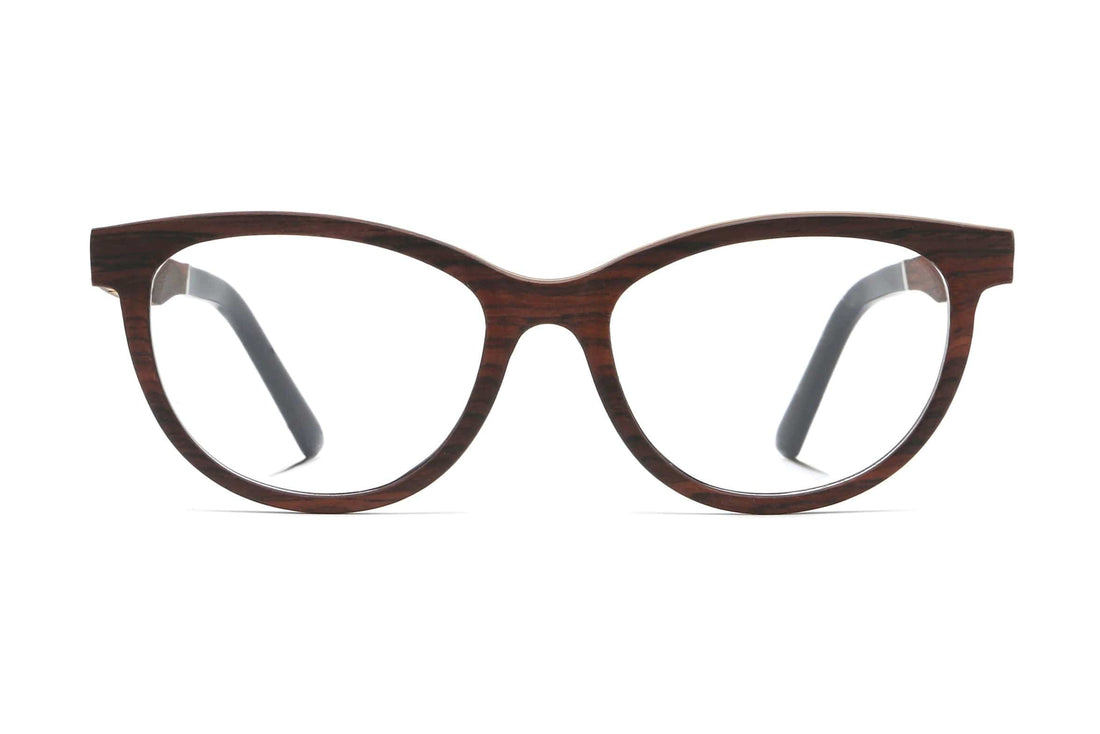
Le bois est un matériau magnifique, mais il nécessite un entretien différent de celui de l'acétate ou du métal. Ne plongez jamais les montures en bois dans l'eau ; essuyez-les plutôt avec un chiffon en microfibre légèrement humide après avoir nettoyé les verres. Tous les quelques mois, appliquez une fine couche d'huile alimentaire (huile minérale ou huile de noix) à l'aide d'un chiffon doux pour raviver le fini et empêcher le bois de se dessécher. Conservez-les à l'abri de la lumière directe du soleil et d'une humidité excessive.
Montures en bio-acétate et en acétate
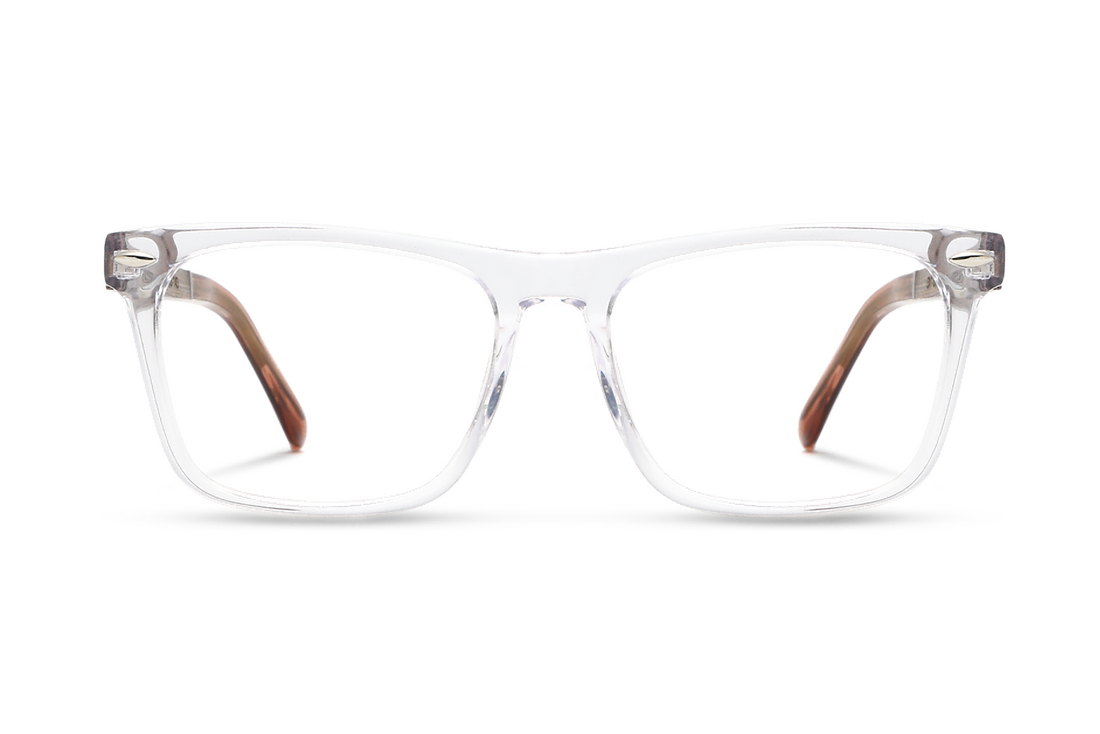
Les montures en bio-acétate supportent sans problème un lavage à l'eau et au savon. Évitez d'appliquer de l'alcool directement sur la monture, car cela pourrait ternir la finition à la longue. Si la monture présente une couleur ou un motif, nettoyez-la délicatement afin de préserver la couche superficielle.
Armatures métalliques
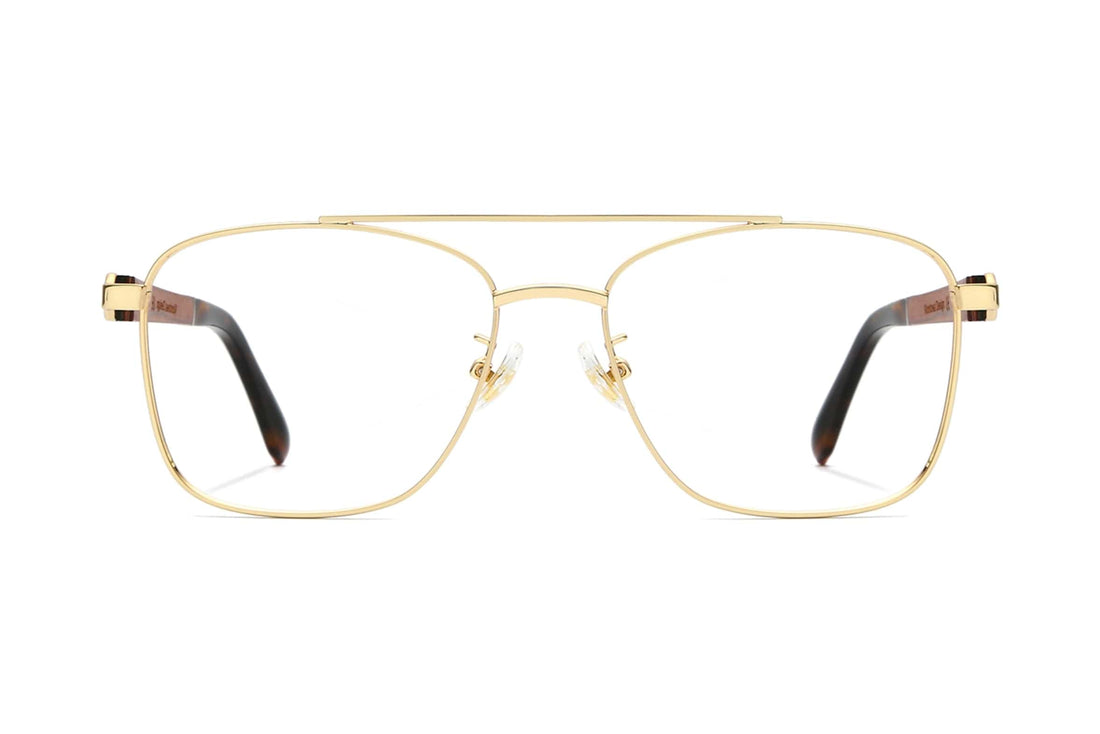
Les montures en métal sont celles qui supportent le mieux le nettoyage. L'eau et le savon conviennent parfaitement, tout comme l'alcool sur la monture. Il faut surtout veiller à bien sécher autour des charnières et des vis, car l'humidité retenue dans les joints métalliques finit par provoquer de la corrosion. Laissez sécher à l'air libre ou essuyez délicatement avec un chiffon propre.
Des gestes d'entretien pour garder vos lunettes plus propres entre deux nettoyages complets
La manière dont vous prenez soin de vos lunettes entre deux nettoyages a une incidence sur la fréquence à laquelle elles doivent être nettoyées en profondeur et sur la durée de vie de leurs traitements. Voici six habitudes qui permettent de garder vos lunettes propres plus longtemps :
-
Retirez vos lunettes à deux mains, en tenant les branches plutôt qu'en tirant d'un seul côté. Si vous les retirez d'une seule main, la monture finira par se déformer et cela exercera une pression sur les charnières.
-
Lorsque vous ne portez pas vos lunettes, rangez-les dans un étui rigide, les verres tournés vers le haut afin qu'ils ne reposent pas sur la surface traitée.
-
Ne posez pas vos lunettes sur votre tête. Cela déforme les branches, affaiblit la tenue et fait adhérer les produits capillaires à la monture et aux verres.
-
Évitez de remonter vos lunettes sur le nez en appuyant du bout du doigt sur l’arête nasale : cela transfère le sébum de la peau directement sur la monture et, à la longue, déforme les plaquettes nasales des montures métalliques. Utilisez plutôt deux doigts sur les branches.
-
Ne laissez jamais vos lunettes dans une voiture surchauffée, sur un rebord de fenêtre exposé directement au soleil, ni à proximité de sources de chaleur telles qu'une plaque de cuisson ou un tableau de bord. La chaleur altère les revêtements et déforme certains matériaux utilisés pour les montures.
-
Éloignez les verres des éviers, des produits d'entretien et des émanations chimiques. Le chlore, l'ammoniac et l'acétone sont tous nocifs pour le revêtement.
Quand faut-il consulter un opticien pour un nettoyage en profondeur ?
La plupart des tâches de nettoyage peuvent être effectuées chez soi, mais certaines situations nécessitent l'intervention d'un professionnel :
-
Une opacité persistante qui ne disparaît pas après un nettoyage complet à l'eau et au savon indique probablement un endommagement du revêtement, nécessitant le remplacement de la lentille.
-
En cas de débris ou de résidus coincés dans les charnières, que le nettoyage à domicile ne permet pas d'éliminer, un opticien peut démonter temporairement la monture.
-
Si les plaquettes nasales sont jaunies ou durcies, la plupart des opticiens les remplacent gratuitement ou pour une somme modique, même sur des montures qui n'ont pas été achetées chez eux.
-
Vis desserrées, branches tordues ou charnières mal alignées : lorsque vous faites effectuer un réglage par un professionnel, demandez-lui également un nettoyage par ultrasons.
Points clés à retenir
-
Rincez avant d'essuyer : c'est l'étape la plus importante, et celle que la plupart des gens négligent.
-
Un liquide vaisselle sans additifs et un chiffon en microfibre propre sont les deux seuls produits dont la plupart des gens ont besoin.
-
N'utilisez jamais de Windex, de vinaigre, de bicarbonate de soude, de dentifrice, de papier essuie-tout, de mouchoirs en papier ou votre t-shirt pour nettoyer des verres traités.
-
Des verres ternes qui ne retrouvent pas leur éclat malgré un nettoyage adéquat indiquent généralement que le revêtement est endommagé ; la solution consiste à remplacer les verres, et non à les nettoyer davantage.
-
Les différents revêtements et matériaux utilisés pour les cadres nécessitent des soins légèrement différents, en particulier les cadres en bois, qui ne doivent jamais être trempés.
Dernières réflexions
Un nettoyage adéquat est le facteur le plus déterminant pour préserver la transparence de vos verres et la durée de vie de leurs traitements. La méthode en six étapes ne prend que deux minutes et permet d’éviter les rayures accumulées au fil des années par les essuie-tout, les coins de chemise et les produits de nettoyage inadaptés. Si vos verres ont atteint un stade où le nettoyage ne permet plus de leur redonner leur transparence, il s’agit généralement d’un problème lié au traitement et non d’un défaut de nettoyage ; la solution consiste alors à remplacer les verres plutôt qu’à les frotter davantage.
Découvrez nos lunettes de vue ou nos lunettes de soleil de vue, dotées de série de traitements antireflets et anti-rayures, fabriquées dans le laboratoire d'optique canadien de Kraywoods.
FAQs
Puis-je nettoyer mes lunettes avec du liquide vaisselle Dawn ?
Oui, le liquide vaisselle Dawn fait partie des produits les plus souvent recommandés, à condition d'utiliser la version sans agents hydratants. Appliquez une petite goutte sur chaque lentille, frottez délicatement du bout des doigts, rincez abondamment à l'eau tiède, puis séchez avec un chiffon en microfibre propre. Évitez tout liquide vaisselle contenant des agents hydratants ou des parfums.
Puis-je utiliser du Windex sur mes lunettes ?
Non. Le Windex et les nettoyants pour vitres similaires à base d'ammoniaque sont conçus pour les vitres non traitées, et l'ammoniaque attaque les revêtements antireflets et anti-rayures appliqués sur les verres de lunettes de vue. Une seule utilisation peut déjà commencer à endommager le revêtement ; une utilisation régulière le détériore de manière visible. Utilisez plutôt de l'eau et du liquide vaisselle sans lotion.
Puis-je utiliser de l'alcool à friction pour nettoyer mes lunettes ?
L'alcool à friction (70 % d'isopropyle) ne présente aucun risque pour les montures et s'avère utile pour une désinfection occasionnelle, mais il peut endommager les traitements antireflets s'il est utilisé trop souvent. Réservez l'alcool à la désinfection, par exemple après une maladie ou lorsque quelqu'un d'autre a porté vos lunettes. Pour le nettoyage quotidien de routine, utilisez simplement de l'eau et du savon.
Comment faire pour éliminer les traces de voile ou de trouble sur les verres ?
La plupart des opacités sont dues à des résidus de produits et disparaissent généralement après un nettoyage à l'eau et au savon, en prolongeant légèrement le temps de contact du savon. Si le nettoyage ne permet pas de retrouver la transparence, il se peut que le traitement de la lentille soit endommagé, ce qui est irréversible. Dans ce cas, la seule solution consiste à remplacer la lentille, soit chez votre optométriste, soit en faisant remplacer les verres de la même monture.
Quels produits ne dois-je pas utiliser pour nettoyer mes lunettes ?
Évitez le Windex et tout produit nettoyant à base d'ammoniaque, le vinaigre, le bicarbonate de soude et le dentifrice, car tous ces produits endommagent les revêtements des verres. N'utilisez jamais de papier essuie-tout, de mouchoirs en papier, de serviettes de table ou votre t-shirt pour essuyer vos verres ; les fibres provoquent des micro-rayures. Pour un nettoyage régulier en toute sécurité, utilisez uniquement du liquide vaisselle sans lotion et un chiffon en microfibre propre.
À quelle fréquence dois-je nettoyer mes lunettes ?
Un rapide coup de chiffon en microfibre tous les jours pour éliminer les traces, et un nettoyage complet à l'eau et au savon environ une fois par semaine constituent un rythme raisonnable pour la plupart des utilisateurs. Nettoyez-les plus souvent si vous travaillez en extérieur, si vous cuisinez fréquemment ou si vous vous maquillez. Un nettoyage complet hebdomadaire empêche les résidus de s'accumuler et de former un voile difficile à éliminer.
 Rayhan El-Asmar
Comment nettoyer correctement ses lunettes : un guide étape par étape avec des conseils d'entretien
Faire ses achats par catégorie