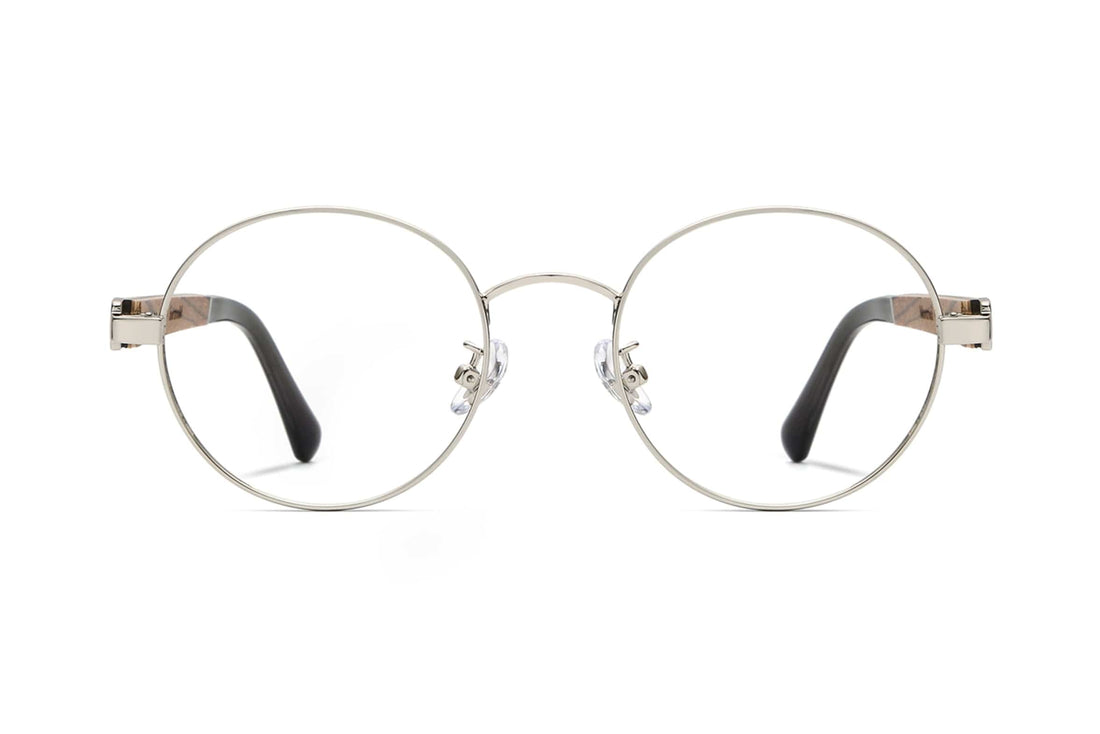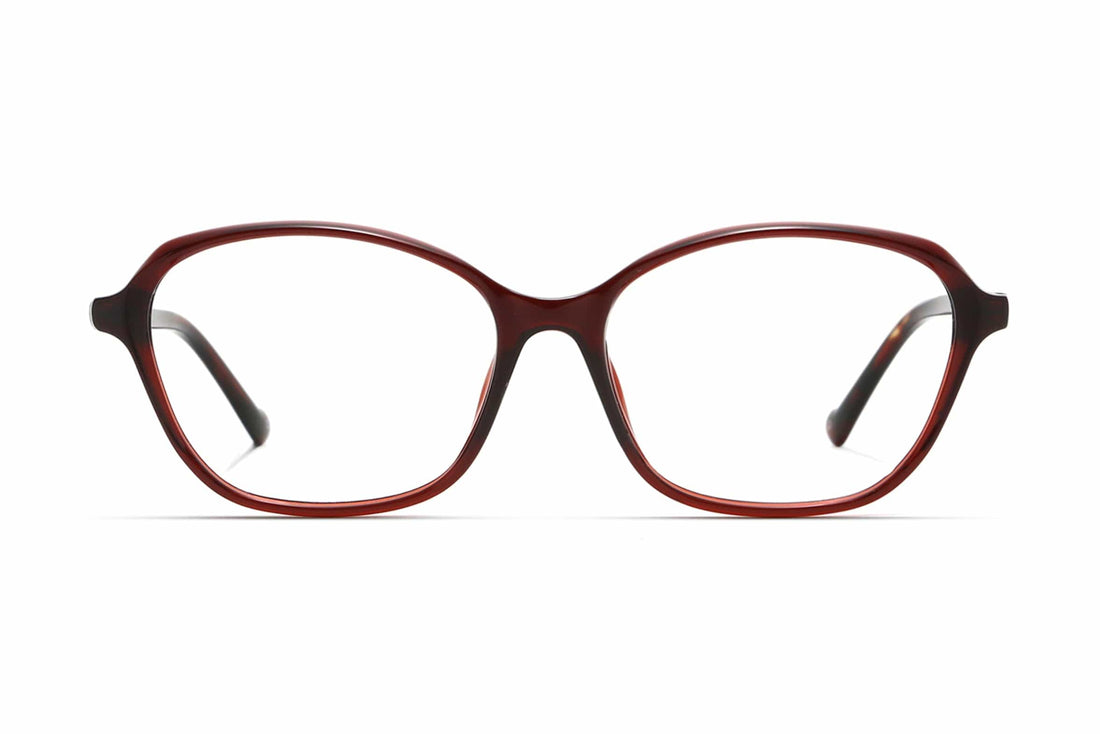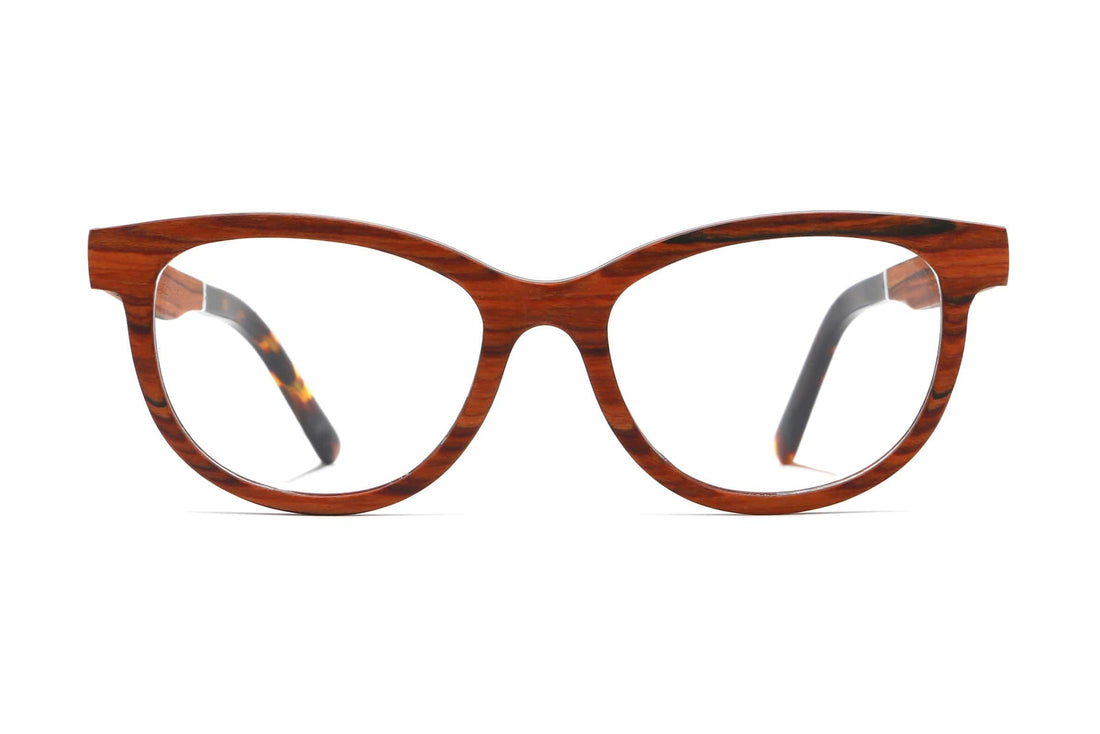

Cosa sono le lenti fotocromatiche? La guida completa agli occhiali che si adattano alla luce
What Are Photochromic Lenses?
7 min read • Updated on 13 May 2026
Photochromic lenses are light-adaptive eyeglass lenses that darken automatically in sunlight and return to clear indoors — giving you the vision correction of everyday glasses and the protection of sunglasses in a single pair.
Whether you're commuting, working at a screen, or moving between indoor and outdoor environments throughout the day, photochromic glasses adapt seamlessly to your surroundings. This complete guide covers:
-
What photochromic lenses are and how they work
-
The key benefits of light-adaptive eyewear
-
The different types of photochromic lenses available
-
Whether they're the right choice for your lifestyle
What Are Photochromic Lenses?
Photochromic lenses are prescription or non-prescription eyeglass lenses that automatically change tint based on light exposure. Outdoors, they darken to function as sunglasses. Indoors, they gradually clear back to a standard lens appearance. The transition happens automatically — no switching frames, no carrying a second pair.
Also referred to as light-adaptive lenses, light-responsive lenses, or transition lenses, photochromic eyewear combines three things in one pair: vision correction, 100% UV protection, and glare reduction. Modern photochromic prescription glasses are available in a wide range of frame styles and prescription types, making them one of the most versatile lens upgrades you can add to everyday eyewear.
How Do Photochromic Lenses Work?
Photochromic lenses contain special molecules — typically silver halide compounds or organic photochromic dyes — embedded directly into the lens material. When these molecules are exposed to ultraviolet radiation from sunlight, they undergo a chemical reaction that causes them to change shape and absorb more light, making the lens appear darker. When UV exposure decreases — such as when you move indoors — the molecules reverse the process and the lens gradually returns to its clear state.
This is what makes photochromic glasses so practical. The darkening and clearing process happens automatically, without any manual adjustment, and works across a wide range of lighting conditions. Most quality photochromic lenses begin darkening within 30 seconds of UV exposure and reach their darkest shade within one to two minutes. Clearing typically takes two to five minutes once you're back indoors, though this varies depending on the lens technology and temperature — lenses tend to darken faster and more deeply in cold, bright conditions.
It's worth noting that standard photochromic lenses react primarily to UV light, which means they may not darken as effectively inside a car since most modern windshields are designed to block UV rays. However, advanced photochromic lens technologies have been developed specifically to address this — more on that in the types section below.
What Are the Benefits of Photochromic Lenses?
Photochromic glasses offer a range of advantages that make them a standout choice for everyday eyewear. Here's why so many people are making the switch to light-adaptive lenses:
All-in-One Convenience The most significant benefit of photochromic lenses is convenience. One pair of adaptive glasses replaces both your prescription eyeglasses and your prescription sunglasses, eliminating the need to carry two pairs or swap between them throughout the day. Whether you're stepping outside into bright sunlight or walking back into a shaded space, your lenses adjust automatically — no case-swapping, no switching frames, no compromise.
Built-in UV Protection Photochromic lenses provide continuous UVA and UVB protection, even when they appear clear indoors. This is an important distinction — your eyes are being protected from UV radiation at all times, not just when the lenses are visibly darkened. Long-term exposure to UV rays is linked to cataracts, macular degeneration, and other serious eye conditions, making built-in UV protection one of the most meaningful health benefits of photochromic eyeglasses.
Reduced Eye Strain and Fatigue Moving between bright outdoor environments and dimly lit indoor spaces puts significant strain on your eyes. Photochromic lenses reduce the contrast your eyes have to adjust to by gradually moderating the amount of light reaching them, helping to reduce glare, eye fatigue, and headaches associated with fluctuating light conditions.
Cost-Effective Eyewear While photochromic prescription glasses may have a higher upfront cost than standard lenses, they eliminate the expense of purchasing and maintaining a separate pair of prescription sunglasses. Over time, investing in one quality pair of adaptive lenses is more economical than buying two separate pairs — particularly when you factor in the cost of frames, cases, and lens replacements for multiple pairs.
Style Versatility With light-adaptive lenses, you don't have to choose between clear and tinted styles. Your lenses adapt to your environment, allowing you to maintain a consistent, polished look whether you're in a meeting, running errands, or spending the afternoon outdoors. Photochromic glasses are available in a wide range of frame styles and materials — from classic rectangular and round frames to bold cat-eye and aviator designs.
Types of Photochromic Lenses
Not all photochromic lenses are the same. Photochromic is the broader technology behind all light-adaptive lenses, while Transitions® is a registered brand name for a specific product line — meaning all Transitions® lenses are photochromic, but not all photochromic lenses are Transitions® branded.
Over the years, adaptive lens technology has evolved significantly, and today there are several types of photochromic lenses designed to suit different lifestyles and visual needs. For a full comparison, see our guide on Photochromic Lenses vs Transition Lenses.
Standard Photochromic Lenses The most widely available type of photochromic lens, standard photochromic lenses react to UV light and offer reliable darkening and clearing performance for everyday use. They are suitable for most wearers who move between indoor and outdoor environments throughout the day. At Kraywoods, our signature photochromic lenses fall into this category — offering dependable light-adaptive performance at excellent value.
Advanced Photochromic Lenses — Transitions GEN S™ Transitions GEN S™ lenses represent the latest generation of light-adaptive lens technology, engineered for faster activation outdoors and faster clearing indoors compared to previous generations of photochromic lenses. They are also available in five exclusive style colours — Emerald, Sapphire, Amethyst, Amber, and Ruby — making them a popular choice for wearers who want their adaptive eyewear to double as a style statement.
High-Performance Photochromic Lenses — Transitions XTRActive® Transitions XTRActive® lenses are designed for wearers who need deeper darkness outdoors and light-adaptive performance behind a car windshield — addressing one of the most common limitations of standard photochromic lenses. By reacting to both UV light and visible light, Transitions XTRActive® lenses darken more effectively in bright conditions and offer a level of tint even inside vehicles, making them the top choice for drivers and those who spend extended time in very bright environments.
Explore our full range of photochromic lens options in our Transition Lenses collection.
Where and When to Use Photochromic Glasses
One of the biggest appeals of photochromic lenses is their versatility. Here's where light-adaptive glasses make the most difference:
Everyday Wear Photochromic glasses are ideal for daily use — particularly for anyone who moves between indoor and outdoor settings regularly. From your morning commute to afternoon errands, adaptive lenses provide all-day comfort without requiring any adjustment on your part. They're one of the most practical choices for prescription eyeglasses wearers who spend time in varying light throughout the day.
Driving Standard photochromic lenses may not darken significantly inside a car due to UV-blocking windshields. However, Transitions XTRActive® lenses are specifically engineered to activate behind glass, offering reliable tint and glare reduction on the road. If driving comfort is a priority, these are the photochromic lenses worth considering— while for after-dark driving, night driving glasses are a better consideration.
Outdoor Activities and Travel Whether you're hiking, cycling, travelling, or spending the day at the beach, photochromic glasses provide seamless UV protection and glare reduction without the need to carry a separate pair of sunglasses. Adaptive lenses adjust effortlessly to changing light conditions outdoors — from overcast skies to direct sunlight — keeping your vision clear and your eyes protected. For travellers especially, the convenience of one adaptive pair instead of two separate pairs is a genuine quality-of-life improvement.
Digital Environments While photochromic lenses are primarily known for outdoor UV performance, they also help moderate light exposure when transitioning between natural and artificial light environments — which can help reduce digital eye strain for people who work near windows or in mixed-light settings.
How Fast Do Photochromic Lenses Change?
The speed at which photochromic lenses darken and clear varies significantly depending on the lens technology, temperature, and UV intensity — and it matters more than most people realise.
Fast Tint Response High-quality photochromic lenses — including Transitions GEN S™ — are engineered to begin darkening within 30 seconds and clear within two to three minutes. This rapid response is ideal for wearers who move frequently between indoor and outdoor environments, such as commuters, outdoor professionals, and active individuals.
Slower Tint Response Older or lower-quality photochromic lenses can take significantly longer to both darken and clear — sometimes up to five minutes or more. While they still provide UV protection, the slower response can result in a lag in visual comfort when moving between environments. When shopping for adaptive glasses, always check the transition speed and consider premium photochromic lenses if seamless adaptation is important to you.
Temperature Effects Photochromic lenses darken faster and more deeply in cold conditions and may respond more slowly in warm temperatures. This is a normal characteristic of photochromic technology and not a defect. If you live in a warmer climate and maximum darkening is a priority, Transitions XTRActive® lenses are designed to perform more consistently across temperature ranges.
Are Photochromic Lenses Worth It?
For most people, photochromic lenses are absolutely worth it. The combination of UV protection, all-day adaptability, and the convenience of replacing two pairs of glasses with one makes light-adaptive eyewear a genuinely smart investment for everyday wearers. If you move between indoor and outdoor environments regularly, spend time driving, or simply want a versatile pair of glasses that works in any light condition, photochromic glasses deliver real, practical value.
The main consideration is choosing the right type of photochromic lens for your lifestyle. Standard photochromic lenses are excellent for most everyday situations. Transitions GEN S™ offers faster performance and more colour options. Transitions XTRActive® is the best choice for drivers and those in consistently bright conditions.
At Kraywoods, every pair of photochromic prescription glasses comes with free anti-scratch, anti-reflective, and UV protection coatings included — and every order is reviewed by our certified in-house optician before production. With free worldwide shipping, a 14-day return policy, and a 12-month warranty, the value is built into every pair. For every order placed, we also plant one tree in Kenya through our partnership with One Tree Planted.
To see how photochromic lenses compare to prescription sunglasses, read our guide to Transition Lenses vs Prescription Sunglasses.
Ready to Find Your Perfect Pair?
Photochromic lenses are one of the most practical and versatile upgrades you can make to your everyday eyewear. Whether you're looking for reliable all-day performance, faster light adaptation, or in-car darkening, there's a photochromic lens designed for your lifestyle.
Explore our full range of Transition Lenses at Kraywoods — available with our signature photochromic lenses, Transitions GEN S™, and Transitions XTRActive®, all with free coatings, free worldwide shipping, and a 12-month warranty included.
Domande frequenti
What are photochromic lenses?
Photochromic lenses are eyeglass lenses that automatically darken in sunlight and return to clear indoors. They react to UV light, providing built-in sun protection and vision correction in a single pair. Also called light-adaptive or transition lenses, they replace the need for a separate pair of prescription sunglasses.
Are photochromic lenses the same as transition lenses?
Photochromic is the general term for all light-adaptive lenses, while Transitions® is a registered brand name for a specific product line. All Transitions® lenses are photochromic, but not all photochromic lenses are Transitions® branded. The two terms are often used interchangeably in everyday conversation.
Are photochromic lenses worth it?
Yes — photochromic lenses are worth it for most everyday wearers. They eliminate the need for a separate pair of prescription sunglasses, provide continuous UV protection, and adjust automatically to changing light. They're especially valuable for commuters, drivers, and anyone who moves between indoor and outdoor environments daily.
Do photochromic lenses work in the car?
Standard photochromic lenses don't darken significantly inside a car because most windshields block UV light. Transitions XTRActive® lenses are designed to activate behind glass, making them the best photochromic option for driving. They respond to both UV and visible light, providing reliable tint and glare reduction on the road.
How fast do photochromic lenses change?
Quality photochromic lenses begin darkening within 30 seconds of UV exposure and reach maximum tint in one to two minutes. Clearing takes two to five minutes once you're back indoors. Premium options like Transitions GEN S™ adapt even faster, and all photochromic lenses darken more deeply in cold weather.
How long do photochromic lenses last?
Photochromic lenses typically last two to three years before their light-adaptive performance begins to fade. The lenses still function as standard prescription lenses afterward, but the tint response weakens over time. Storing your glasses in a protective case and avoiding extreme heat helps extend their lifespan.
Which is better, photochromic or polarized lenses?
Photochromic lenses adapt to light — darkening outdoors and clearing indoors — while polarized lenses block glare from surfaces like roads and water. Photochromic is better for everyday wear; polarized is better for driving, fishing, and bright outdoor activities.
 Rayhan El-Asmar
Cosa sono le lenti fotocromatiche? La guida completa agli occhiali che si adattano alla luce
Acquista per categoria