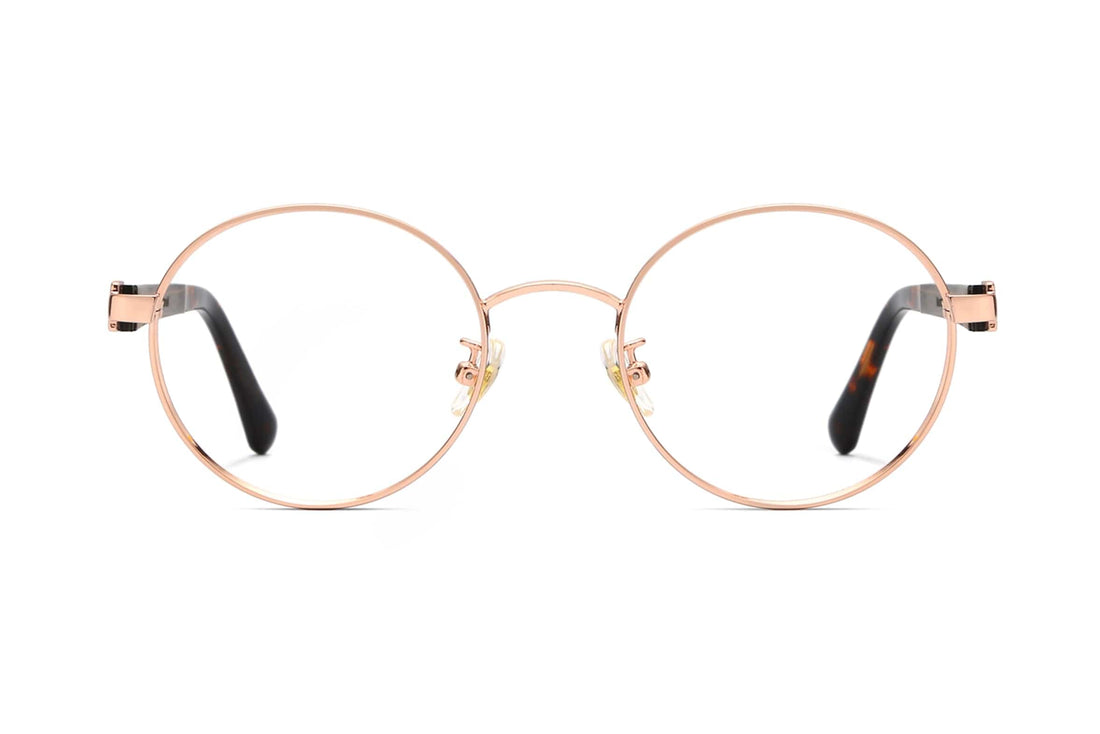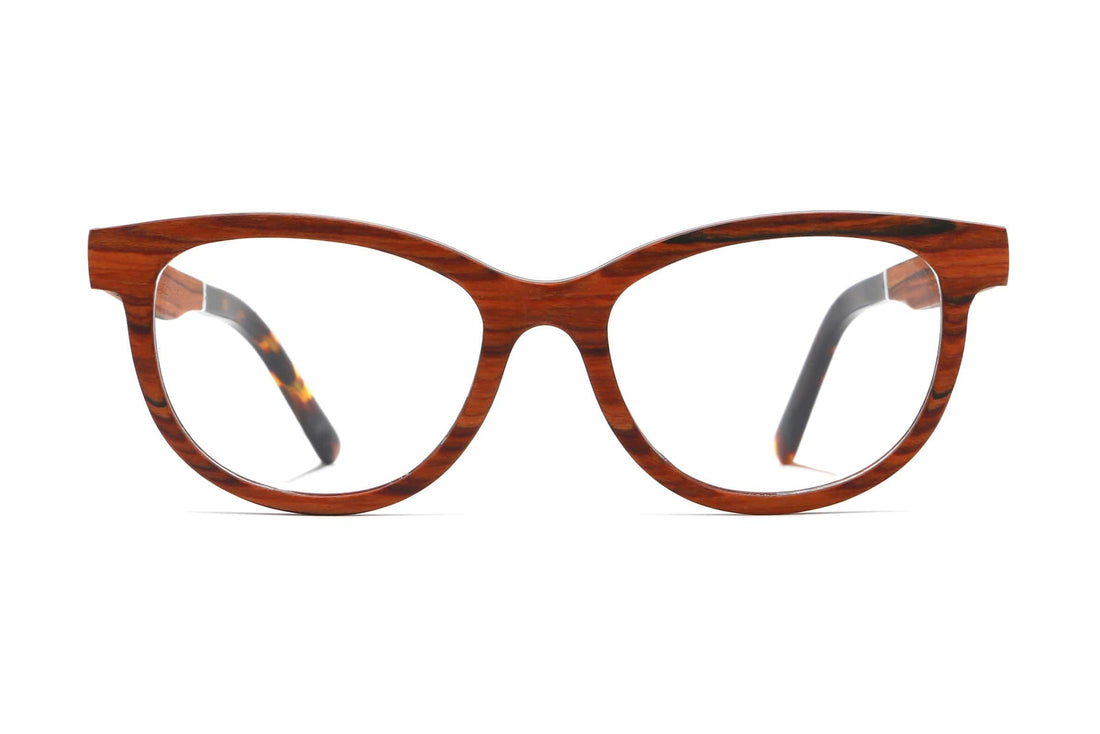

Best Glasses for Square Face Shape: The Complete Style Guide
Best Glasses for Square Face Shape
8 min read • updated on 12 June 2026
The best glasses for a square face shape are the ones that introduce contrast where your face has straight lines — bringing curves and upward angles to balance a strong jaw and broad forehead. This guide covers how to identify a square face, which frame categories genuinely flatter it, and what to sidestep even when a style looks tempting on the shelf.
If you're still working out whether you have a square face or something close to it, our face shape guide for glasses walks through how to measure and identify each face type.
Do You Have a Square Face Shape?
A square face has:
-
A jaw that's roughly as wide as the forehead
-
A broad, defined jawline with minimal tapering at the chin
-
Flat, well-defined cheekbones that sit at a similar width to the jaw and forehead
-
An overall face length and width that are close to equal
To confirm: pull your hair back and take a straight-on photo. If your face reads as roughly equal in length and width, with a clearly angular jaw that doesn't taper or round significantly at the chin, you have a square face.
The shape most often confused with square is oblong — similar jaw width, but the face is noticeably longer than it is wide, with straighter sides rather than angular corners at the jaw. If that description sounds closer to what you see, our guide to glasses for oblong face shapes covers the frame principles for that specific proportion.
Among celebrities, Olivia Wilde and Brad Pitt are frequently cited as examples of a square face — each shows that balanced, angular proportion with a clearly defined jaw.
One variation worth knowing: some people describe themselves as having a soft square face. The proportions are still square — balanced width across forehead, cheekbones, and jaw — but the jawline has more rounding than sharp angularity. The same frame principles apply for soft square faces, but they carry a slightly wider range of styles confidently, including some frames that read as too delicate on a more defined jaw.
How to Choose Glasses for a Square Face Shape
There's one principle that applies above everything else for square faces: choose frames with curves or upward angles, not frames that repeat the angular lines your face already has.
The reasoning is straightforward. Your jaw is your face's most defining feature. A frame with strong horizontal lines at the bottom sits in visual dialogue with that jaw and doubles the angularity — which makes both features compete for attention. A frame with a curved lower rim or a lifted outer corner introduces contrast, draws the eye in a different direction, and lets your jawline read as a structural strength rather than something your glasses are working against.
A few additional fit points specific to square faces:
-
Frame width should match or closely match your face width. Frames significantly narrower than your face make a square face read wider. Frames that extend well beyond your face width pull attention sideways.
-
Medium to tall lens height reads better than shallow. Very slim lenses sit between brow and jaw without providing visual interruption — which tends to emphasize the horizontal lines of the face.
-
Keep the visual weight towards the top. Bottom-heavy frames — where the lower rim carries more visual weight — draw the eye toward the jaw. Top-heavy or balanced frames keep proportions in check.
Best Glasses for a Square Face Shape
1. Round Frames for Square Faces
Round frames are consistently the most flattering everyday choice for square faces, and the reason is purely geometric — the uninterrupted curve of the rim creates direct contrast with a strong horizontal jawline, drawing the eye toward the arc of the frame. If your square face sits on the broader side, a medium to large round in defined acetate or wood gives the strongest softening effect. On narrower square faces, a round frame slightly wider than your face width — rather than dramatically oversized — keeps proportions anchored.
Visual weight matters. Thin wireframe rounds get lost on stronger square features and can lengthen the face — defined rims in acetate, wood, or weighted metal hold their own. Warm wood tones and rich acetate colours also soften the framing around the eyes in a way cooler, more minimal finishes don't.
2. Oval Frames for Squared Faces
Oval frames are a slightly gentler version of the same softening principle as round frames. The horizontal stretch of an oval covers more of the face without needing a large diameter — proportionate on narrower square faces, and the right call when you want softening without the fashion-forward statement a full round can make. Professional settings and minimalist preferences favour ovals in neutral acetate or slim metal.
Size is the one thing to watch. Very small ovals lose their softening effect — the curve needs surface area to register against a strong jaw. Medium to large ovals with a lens height of at least 38–40mm land better; petite styles end up reading as incidental.
3. Cat Eye Frames for Square Face Shape
Cat eye frames work on a square face for a specific structural reason: the upswept outer corners lift visual weight toward the temples, directing the eye upward and away from the jaw. Scale shapes the use case — a moderate cat eye with a contained flick works across professional and everyday settings, while an exaggerated sweep in a bold colour reads as a deliberate statement frame. Both flatter square faces; the choice is how much style signal you want your eyewear to carry.
Cat eye is the category to choose when you want your glasses doing active style work — square faces handle it particularly well because the angular jaw gives the upswept frame something to contrast against. One thing to avoid: cat eyes with a very flat or straight bottom rim, which reintroduces a horizontal line at jaw level. A curved lower rim keeps the contrast active.
4. Browline Frames for Squared Faces
Browline frames — heavier visual weight across the top, lighter or rimless below — are genuinely underused on square faces. The heavier upper half draws the eye upward toward the brow, exactly the directional shift square proportions benefit from. Browline really earns its place when face width is your main concern more than jaw angularity: they create vertical emphasis without requiring the large diameter of a full round, which makes them a more considered choice on wider square faces where oversized rounds can feel like too much.
On narrower square faces, a browline in dark acetate or wood reads as structured and intentional — there's a quiet authority to it that holds up across professional and casual settings. Brow tone matters: too close to the face and you lose the upward-drawing effect that makes this category worth considering.
5. Geometric Frames for a Square Face
Hexagonal, octagonal, and other angular geometric frames work on square faces for a nuanced reason — the diagonal lines cut in different directions than the horizontal line of a square jaw, which creates contrast rather than echo. Size matters significantly: small geometric frames look detail-heavy on a square face and end up drawing attention back toward the jaw. A full-sized hexagonal or wide octagonal in a solid colour, deep tortoise, or matte acetate carries enough presence to hold up against strong square features.
Geometric frames are best understood as expressive second pairs — the choice when you're building eyewear around personal style rather than the most versatile option. They work well on square faces but aren't the frame most people reach for as a daily driver, which is part of the appeal.
What to Avoid If You Have a Square Face Shape
A few consistent mistakes, even on a face shape with plenty of strong options:
-
Very angular rectangular frames with sharp corners. A strong rectangle mirrors your jaw structure rather than contrasting it — the straight lower rim echoes the jawline and doubles the angularity. The longer and more pronounced the horizontal lines in the frame, the stronger this effect.
-
Frames significantly wider than your face. Going considerably beyond your face width pulls attention sideways and emphasizes the horizontal read of a square face rather than redirecting it.
-
Bottom-heavy frames. Styles where the lower rim carries more visual weight than the upper rim point the eye toward the jaw. This is the opposite of what a square face benefits from, regardless of how fashionable the style is in isolation.
-
Very small or petite frames. Small frames sit in the centre of the face without reaching toward the cheekbones, leaving the angular proportions of the jaw unaddressed. The softening or contrasting effect you need requires surface area to work — petite frames don't have it.
Puntos clave
-
The core principle: choose frames with curves or upward angles — not frames that echo the angular lines a square jaw already has.
-
Round frames are the most consistently flattering everyday choice. Visual weight and defined rims matter; thin wireframes lose the softening effect on stronger features.
-
Oval frames offer the same softening principle with a more understated energy — particularly well-suited to professional settings and minimalist preferences.
-
Cat eye frames actively redirect the eye upward and work especially well on square faces that want eyewear contributing to their look rather than sitting neutrally on it.
-
Browline frames are the most underused category for square faces — top-heavy structure draws attention away from the jaw without requiring a large, round frame diameter.
-
Avoid strong rectangular frames, extra-wide styles, bottom-heavy designs, and very small petite frames — each works against the contrast principle in its own way.
Conclusión
A strong jaw is a distinctive feature — the goal isn't to hide it, but to balance it. That balance comes from introducing curves, upward angles, or top-heavy structures that redirect visual attention from the jaw toward the eyes. Round, oval, cat eye, browline, and geometric frames each do this in different ways, and the right choice depends on whether you want something versatile and everyday, expressive and directional, or quietly authoritative.
If you're ready to explore frames built for that kind of balance, Kraywoods eyeglasses collection cover all the shapes that suit square faces best — crafted from sustainable wood, metal, acetate, and bio-acetate, with every prescription frame built in-house at our Canadian optical lab. Anti-reflective and anti-scratch coatings are included as standard.
Looking for sunglasses too? A dedicated guide to sunglasses for square faces is coming — in the meantime, our full sunglasses collection includes all the shapes that translate well from eyeglasses to sun wear.
Frequently Asked Questions About Glasses for Square Face Shapes
What frame shapes suit a square face?
Round, oval, cat eye, browline, and geometric frames are the strongest choices for a square face. Each introduces curves or upward angles that contrast with the face's defined horizontal jawline. The underlying principle is consistent: choose frames that redirect the eye upward or add softness to the lower face, rather than echoing the angular jaw structure.
What is a soft square face shape — does it change which glasses work?
A soft square face has the same balanced proportions — similar width at forehead, cheekbones, and jaw — but with a rounder jawline rather than a sharply angular one. The same frame principles apply. Soft square faces do carry a slightly wider range confidently, including some styles that read as too delicate on a more defined jaw, but round, oval, and cat eye frames still lead for all versions of the shape.
Do cat eye glasses work on a square face?
Yes — and consistently well. The upswept outer corners of a cat eye redirect visual weight toward the temples and away from the jawline, which is precisely what a square face benefits from. A moderate cat eye works across professional and everyday settings; an exaggerated version reads as a bolder statement frame. Both are flattering on square faces, and the shape's upward angle is a particularly strong match for strong-jawed proportions.
Are there specific frame recommendations for men with a square face?
The same principles apply — round, oval, cat eye, browline, and geometric frames all work for men with square faces. In practice, men tend to gravitate toward round metals, browlines, and wider geometric shapes for everyday wear. Cat eye frames in dark acetate or wood read as directional rather than overtly feminine on strong square features and are increasingly common as a considered choice for men. Frame geometry matters more than gendered convention here.
What glasses should women with a square face avoid?
The main frames to avoid are strong rectangular styles with very angular corners, which echo the jaw rather than contrast it. Extra-wide frames, bottom-heavy styles (where the lower rim carries more visual weight), and very small petite frames all work against the natural balance of a square face. These avoidance principles apply equally to men and women — the geometry of the frame relative to the face is what determines fit, not a gendered distinction.
Can square faces wear square or rectangle frames?
Generally no — and it's one of the most common assumptions worth correcting. Strongly angular rectangles with sharp corners mirror a square jawline rather than contrasting it, which doubles the angularity of the face. Softer rectangles with rounded corners can work as a fallback, but round, oval, cat eye, and browline shapes consistently flatter square faces more.
Does Kraywoods offer prescription glasses for square faces?
Yes — all Kraywoods eyeglasses are available with prescription lenses, made in-house at our Canadian optical lab. Every prescription frame includes anti-reflective and anti-scratch coatings as standard. The range covers all the frame shapes that suit square faces best, from round and cat eye to browline and oval. You can browse the full selection and filter by frame shape to find the right fit for your proportions.
 Rayhan El-Asmar
Best Glasses for Square Face Shape: The Complete Style Guide
Shop by category